
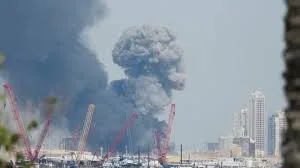
Tensions between Iran and Israel have boiled over into full-scale war, with the United States deeply involved, marking one of the most explosive conflicts in the Middle East in decades. It all kicked off on February 28, 2026, when Israel and the US launched a surprise joint operation, pounding key sites across Iran in what they’ve called a preemptive strike to cripple Tehran’s nuclear ambitions and missile programs. The opening salvo was brutal: airstrikes hit a high-level meeting in Tehran, wiping out Supreme Leader Ayatollah Ali Khamenei along with the defense minister, IRGC commanders, and other top brass. This decapitation strike left Iran’s leadership in disarray, creating a power vacuum that’s fueled internal chaos and protests in cities like Tehran and Sanandaj.
Since then, the fighting has escalated relentlessly. By March 5, we’re into the sixth day, and the US-Israel coalition has kept up a relentless aerial campaign, targeting Iran’s air defenses, command centers, ballistic missile launchers, and even media outlets to disrupt propaganda efforts. Flames and smoke have lit up the night skies over Tehran and other areas, with reports of over 1,000 deaths in Iran alone. Israel has expanded strikes into Lebanon, hammering Hezbollah positions in Beirut’s southern suburbs, forcing evacuations and dragging that country deeper into the mess. Meanwhile, Iran isn’t backing down. They’ve fired off massive barrages over 500 ballistic missiles and 2,000 drones so far hitting targets in at least 11 countries, including US bases in the Gulf, Israeli cities like Ashkelon, and even spots in Cyprus, Azerbaijan, and Bahrain. Sirens blare across central Israel as interceptors light up the sky, knocking down incoming rockets, but some get through, causing injuries and fear. Iran has also struck oil tankers and energy sites, sending global markets into a tailspin oil prices surging, stocks plummeting, and fears of disrupted shipping through the Strait of Hormuz.
The broader region is on edge. Kurdish forces in Iraq are gearing up, possibly to push into Iran from the borders, while European nations rush naval assets to Cyprus after drone hits there. Lebanon’s government is caught in the crossfire, with Hezbollah weakened but still firing back, exposing old rifts in the country. Civilians are fleeing Tehran in droves, and the UN is pleading for restraint as explosions rock embassies and airports from Dubai to Qatar. President Trump has framed this as a short, sharp operation to degrade Iran’s threats, predicting it might wrap up in four weeks, but his team admits it’s “just getting started” with deeper strikes planned.
Now, on the question of a full-blown invasion of Iran by Israel and the US—that’s the big wildcard hanging over this mess. Right now, everything’s airborne: jets, drones, missiles, no boots on the ground yet. Trump hasn’t shut the door, saying he’d “never say never” to deploying troops, especially if the goal shifts firmly to regime change. The strikes so far aim to topple the regime from afar, hoping the leadership vacuum sparks internal collapse or a quick transition to a more compliant government. But experts aren’t convinced that works without ground forces. Iran is massive bigger than Iraq, with rugged terrain and a population primed for resistance. A straight-up invasion could turn into another endless quagmire, like Afghanistan or Iraq, with insurgents bleeding US forces dry and no clear exit.
That said, a limited ground push isn’t out of the question. Analysts point to scenarios where Kurdish militias or other proxies cross borders for raids or to seize key areas, stretching Iran’s defenses thin without a full US-Israel commitment. Probability of that? Pretty high, maybe 50-60 percent in the coming weeks if air strikes don’t force a surrender. But a massive conventional invasion? Odds are low, around 5-10 percent, because it’d need huge troop numbers, spark global backlash, and alienate Trump’s base who want America out of foreign wars. If it happens, it could redraw the Middle East map—potentially carving up Iran or installing a pro-Western puppet but at the cost of civil war, refugee floods, and skyrocketing oil prices that hit everyone from drivers in Texas to factories in Europe. Iran vows to fight to the end, and with their missiles still flying, any invasion risks pulling in Russia or China, turning this regional fire into a global blaze. For now, the world watches, hoping cooler heads prevail before boots hit the ground.