
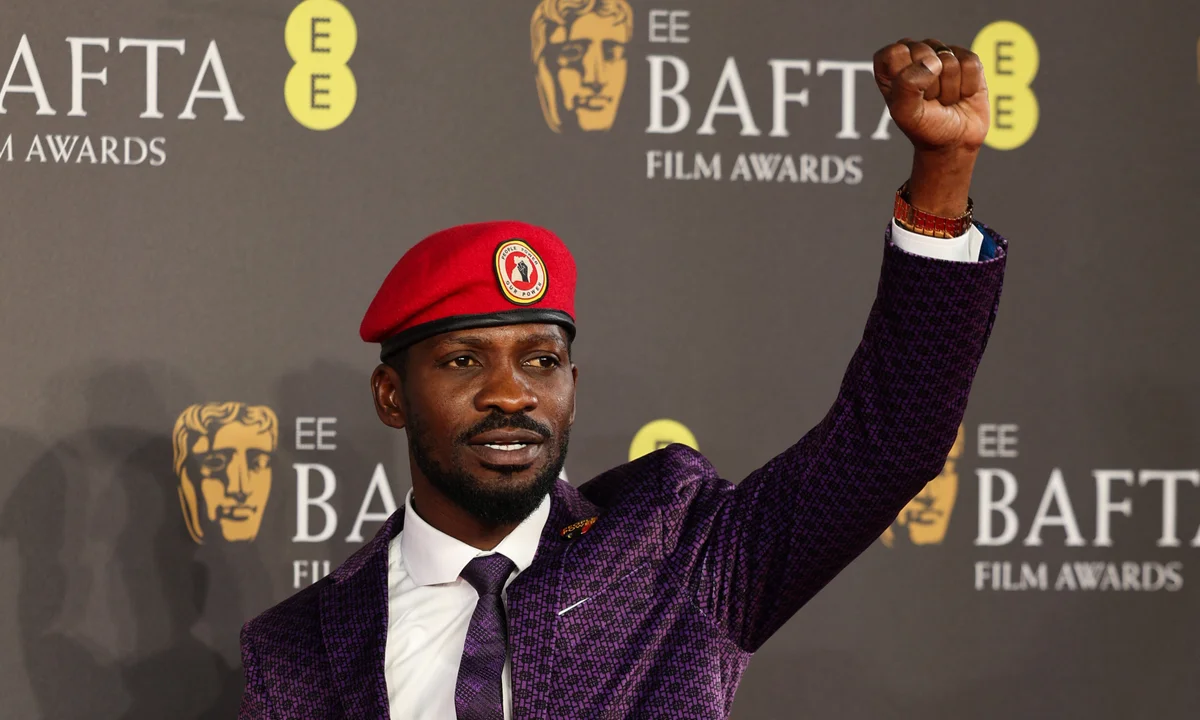
Opposition figure Robert Kyagulanyi Ssentamu, better known as Bobi Wine, has confirmed he slipped out of Uganda after nearly two months spent in hiding. The National Unity Platform leader made the announcement on Saturday in a direct message to Ugandans and their international friends, framing the move as a short strategic break rather than a permanent departure.
He explained that security forces raided his Magere home right after the February 2026 presidential election, which saw President Yoweri Museveni declared the winner once again. Kyagulanyi claims the military came looking for him the very next day, prompting him to go underground where ordinary Ugandans sheltered him from arrest. Roadblocks, vehicle checks, and raids on colleagues became routine as authorities hunted for him across Kampala and beyond.
In his words, the regime acted out of fear after what he calls a stolen vote enforced at gunpoint. He avoided giving exact dates or routes but sources close to the party say he crossed into Kenya before heading farther west. His wife Barbie Kyagulanyi and several family members had already left for the United States following a separate raid on the same residence.
The Uganda Peoples Defence Forces pushed back on those claims earlier this week. Colonel Chris Magezi insisted the recent checkpoints around Gayaza and other areas were simply joint traffic operations with police, nothing to do with chasing the opposition leader. Still, many residents saw the heavy presence as clear evidence of a manhunt.
Kyagulanyi stressed this absence will not last long. Over the coming weeks he plans to sit down with allies abroad to build stronger support networks before heading home to keep pressing for genuine democracy. For a former musician who has become Musevenis most visible challenger since the president took power in 1986, this moment carries real weight. It shows the opposition remains active even under pressure and could energise Ugandans in the diaspora to amplify calls for change.
What stands out is how this fits a familiar pattern in Ugandan politics, where leaders in exile often use foreign platforms to keep their movements alive. Supporters hope the trip will translate into concrete help, perhaps from governments or organisations watching Ugandas democratic backsliding. Critics inside the ruling party will likely paint it as running away, yet for many young voters who backed Kyagulanyi in past polls, his return promise keeps the spark of resistance alive.
The coming days will reveal whether this brief exit strengthens or weakens the National Unity Platform at home. Either way, it keeps the spotlight on questions about election fairness and the space for peaceful dissent in a country long dominated by one man.