
The sun rose over the Middle East this morning to the sound of distant thunder that wasn’t thunder at all. Six days into the war nobody saw coming so fast, the skies above Tehran still glow orange at night from fresh strikes, while sirens wail in Tel Aviv and Ashkelon whenever another wave of Iranian missiles streaks in.
It began with a single, breathtaking night. Israeli and American jets slipped through what was left of Iran’s air defenses and hit the heart of the regime. Supreme Leader Khamenei, his defense minister, the top IRGC commanders all gone in one coordinated blow inside a Tehran bunker. The footage that leaked later showed flames licking up from the compound, smoke thick enough to blot out the stars. In the hours that followed, power seemed to vanish from the capital. Protests erupted in Kurdish neighborhoods, in student dorms, even in the streets of Isfahan where people had stayed quiet for years. Nobody knows yet who will fill the vacuum, but the clerics who once ruled with iron certainty now speak in fragments.
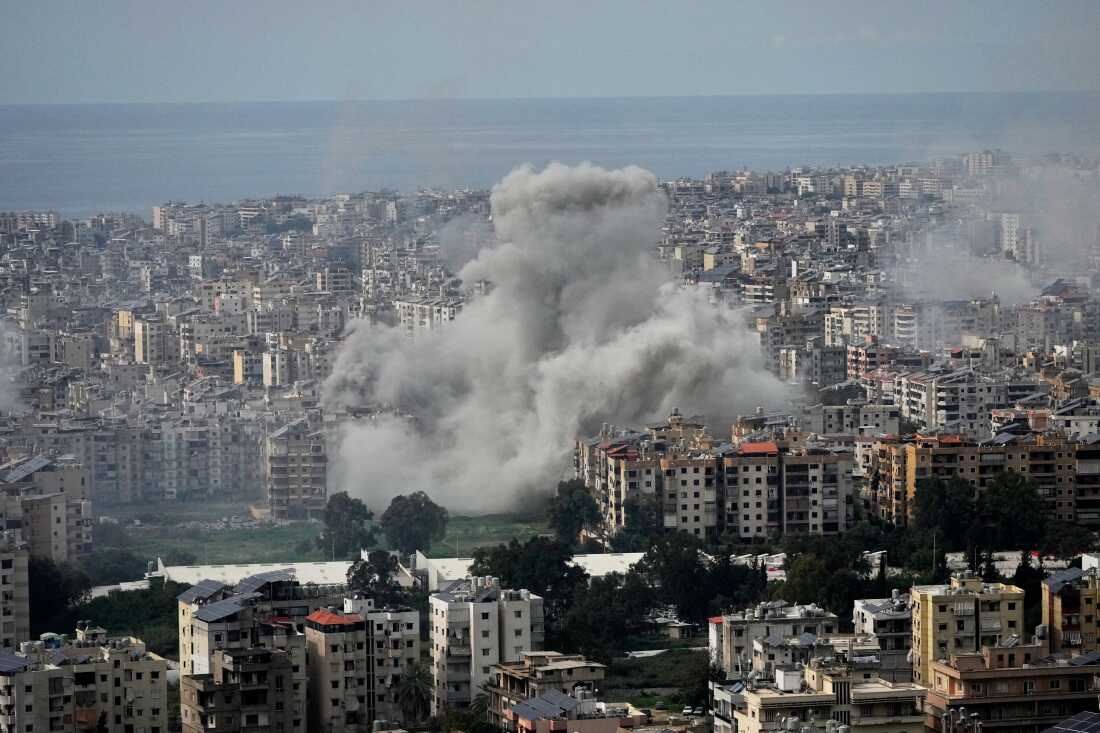
Israel kept the pressure on. Day after day their F-35s and drones hunted missile launchers, command posts, oil depots, even state television towers to choke off the propaganda. Lebanon got pulled in deeper too, Hezbollah positions in Beirut’s southern suburbs took heavy hits, forcing thousands to flee south or across the border. The old rules of tit-for-tat seem broken; this feels more like a campaign to break the spine of an entire network.
Iran answered the only way it knows how: with sheer volume. Hundreds of ballistic missiles and thousands of drones have rained down since Friday, arcing over Iraq, Jordan, Saudi airspace, sometimes landing in Cyprus or Bahrain. Most get intercepted, lighting up the night like fireworks gone wrong, but enough slip through to crater runways, damage apartment blocks, and send families running to shelters. Oil prices jumped again today as tankers hesitated at the mouth of the Strait of Hormuz. Markets hate uncertainty, and right now the world is drowning in it.
Kurdish fighters in northern Iraq watch the chaos with something close to hope. PDKI and Komala units have moved closer to the border, training intensifies, small arms flow in quietly from friends who want Iran distracted on every front. They talk openly about crossing if the regime keeps crumbling about taking villages, about lighting the spark for a bigger uprising inside Iran’s Kurdish provinces. Tehran has already bombed their camps in retaliation, but the airstrikes only seem to steel their resolve.
In Washington the mood is guarded triumph mixed with caution. President Trump calls it a “surgical” operation that could wrap in weeks, not months. His advisors repeat that no ground troops are on the table yet. The goal, they say, is regime change without another endless occupation. Still, the longer the missiles fly, the harder it becomes to keep boots off the soil. A few analysts whisper about limited incursions: special forces raids, proxy pushes from the Kurds, maybe even a buffer zone carved along the northwest to keep missiles out of range of Israel. Nothing firm, but the possibility hangs in the air like smoke.
Civilians pay the highest price, as they always do. Tehran’s roads out of the city clog with cars loaded with whatever families could carry. Lebanese villages near the border empty out. In Israel, parents keep children home from school, checking apps for the next alert. Across the Gulf, governments quietly move assets, fearing the fire will spread.
Six days in, and the war has already redrawn lines nobody expected to see moved so soon. Whether it ends with a battered Iran limping to negotiations, a sudden internal collapse, or something far messier depends on choices still being made in bunkers and Situation Rooms thousands of miles apart. For now the fighting rolls on, relentless, and the region holds its breath waiting to see what breaks first.