
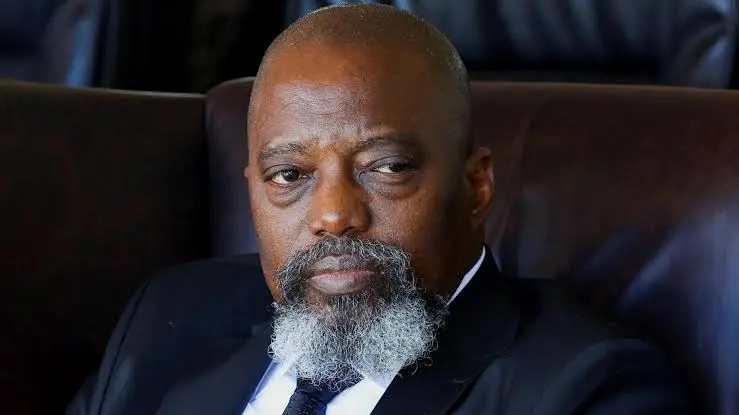
There is a moment in regional politics when a single statement from a neighbouring leader carries more weight than a dozen diplomatic meetings. President Paul Kagame’s recent declaration that he will not stand in the way of former Congolese President Joseph Kabila returning to eastern DRC, specifically war-torn Goma, is one of those moments.
Kagame’s message was simple on the surface. Anyone serious about peace in Congo is free to contribute. But beneath that diplomatic language lies a much more complicated reality. Kabila is a man facing a death sentence and frozen assets at home. His return to the east, if it happens, would land in the middle of one of Africa’s most volatile conflict zones.
So why should you, sitting in Kampala, Jinja, or Mbarara, care?
Eastern Congo does not stay in eastern Congo. Its conflicts spill across borders in ways that quietly squeeze ordinary Ugandan households. Cross-border trade slows. Fuel and food prices climb. Refugee numbers grow, putting pressure on northern Uganda’s resources and social services. Security along trade corridors becomes unpredictable.
Kagame’s statement also matters because it pushes back against the persistent narrative that Kigali is pulling strings behind various rebel movements in the region. Kinshasa has long pointed fingers at Rwanda. This public stance, welcoming peacemakers including Kabila, is a deliberate reframing of Rwanda’s role.
What this means for the coming months is that international pressure on all regional leaders to de-escalate is intensifying. Every public word either builds confidence or breaks it. Ugandans would do well to track this story not as distant foreign news, but as something with a direct line to their wallets and their borders.