
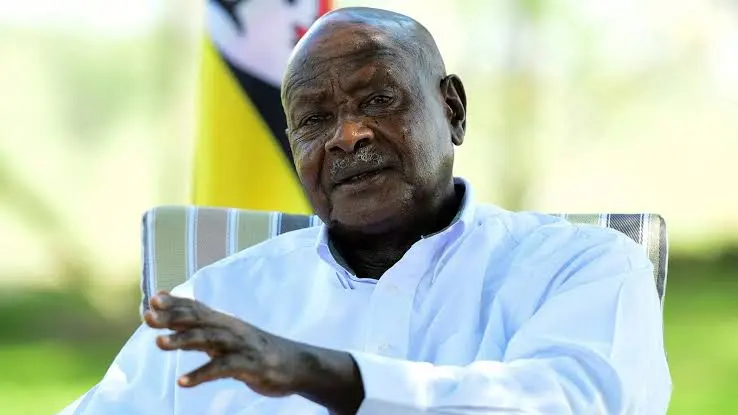
President Yoweri Kaguta Museveni has unveiled adjustments to his cabinet as Uganda moves into the 2026-2031 period. While some key figures remain in place to provide continuity, the latest changes bring in new blood, reward loyalists, and signal shifts in priorities. This reconstitution comes after the elections and reflects the president’s approach of balancing experience with fresh perspectives to tackle ongoing challenges like economic growth, youth empowerment, and regional stability.
The core leadership stays largely intact. Vice President Jessica Rose Epel Alupo keeps her position, as does Prime Minister Robinah Nabbanja. Rebecca Kadaga remains First Deputy Prime Minister and Minister for East African Community Affairs. These retentions suggest Museveni values stability at the top while he steers the country forward.
Major Changes and Notable Exits
Several ministers have been moved or dropped, raising eyebrows across the political landscape. Defence Minister Vincent Bamulangaki Ssempijja has been reassigned, reportedly to take up a senior presidential advisory role. In Karamoja Affairs, Dr. Maria Goretti Kitutu and her State Minister Agnes Nandutu have also been moved out. These changes suggest a push for renewed momentum in critical sectors, particularly in security and the development of marginalized regions.
In other key ministries, there are reports of significant movements. Henry Musasizi is tipped to take charge of Finance, Planning and Economic Development, while Chris Baryomunsi is expected to move into the Health docket. These are heavyweight portfolios, and the shifts point to a stronger focus on fiscal discipline and improving public health services.
New Entrants and What They Bring
The most talked-about newcomer is Balaam Barugahara, popularly known as Balaam Byarugahara. The well-known events organizer, businessman, and strong supporter of the Patriotic League of Uganda (PLU) movement has been appointed Minister of State for Youth and Children Affairs under the Ministry of Gender, Labour and Social Development. His entry is widely seen as a strategic move to appeal to Uganda’s large youth population. With his background in grassroots mobilization and organizing major public events, Balaam is expected to inject fresh energy into youth programs centered on wealth creation and job opportunities.
Another notable appointment is Gen. Wilson Mbasu Mbadi, the former Chief of Defence Forces, who now serves as Minister of State for Trade. His vast military and administrative experience could prove valuable in strengthening Uganda’s trade relations both regionally and internationally.
Dr. Kenneth Omona, who previously served as Principal Private Secretary to the President, has been named Minister of State for Northern Uganda. This appointment is likely aimed at addressing long-standing issues of equity and accelerated development in the northern region.
Lilian Aber has taken up the position of Minister of State for Disaster Preparedness and Refugees. Given Uganda’s large refugee hosting role in the region, her portfolio will be vital in managing humanitarian affairs and supporting the integration of refugees into the local economy.
Other new or repositioned figures include Justine Nameere Nsubuga as Minister of State for Local Government, bringing potential new ideas to grassroots governance and service delivery.
Full List of the Cabinet (2026-2031)
Here is the current composition of Museveni’s cabinet based on the latest announcements:
Top Leadership
- President: H.E. Yoweri Kaguta Museveni
- Vice President: Jessica Rose Epel Alupo
- Prime Minister: Robinah Nabbanja
- First Deputy Prime Minister & Minister for East African Community Affairs: Rebecca Kadaga
Cabinet Ministers
- Minister of Education and Sports: Janet Kataaha Museveni
- Minister of Defence: Jim Muhwezi
- Minister of Finance, Planning and Economic Development: Henry Musasizi
- Minister of Health: Chris Baryomunsi
- Minister for Kampala Capital City and Metropolitan Affairs: Minsa Kabanda
- Minister of Energy and Mineral Development: Ruth Nankabirwa
- Minister of Internal Affairs: (to be confirmed in final list)
- Minister of Foreign Affairs: (to be confirmed in final list)
- Minister of Justice and Constitutional Affairs: (to be confirmed in final list)
- Minister of Agriculture, Animal Industry and Fisheries: (to be confirmed in final list)
- Minister of Works and Transport: (to be confirmed in final list)
- Minister of Trade, Industry and Cooperatives: (to be confirmed in final list)
- Minister of Gender, Labour and Social Development: (to be confirmed in final list)
- Minister of Public Service: Wilson Muruli Mukasa (retained)
- Minister of Local Government: Balaam Barugahara (new)
- Minister of Water and Environment: (to be confirmed in final list)
- Minister of Tourism, Wildlife and Antiquities: (to be confirmed in final list)
- Minister of Information, ICT and National Guidance: (to be confirmed in final list)
Ministers of State (Selected Key Appointments)
- Minister of State for Youth and Children Affairs: Balaam Barugahara
- Minister of State for Trade: Gen. Wilson Mbasu Mbadi
- Minister of State for Northern Uganda: Dr. Kenneth Omona
- Minister of State for Disaster Preparedness and Refugees: Lilian Aber
- Minister of State for Local Government: Justine Nameere Nsubuga
- Other State Ministers cover areas such as Higher Education, Primary Health Care, Microfinance, Housing, and Regional Development portfolios.
Surprises and Strategic Signals
The appointment of Balaam Barugahara stands out as one of the biggest surprises. Coming from an events and entertainment background rather than the usual political or bureaucratic circles, his elevation highlights Museveni’s openness to tapping popular mobilizers who have strong connections with younger Ugandans. It also reflects the growing influence of the PLU movement within the broader NRM structure.
The decision to bring in military veterans like Gen. Mbadi and regional specialists while dropping some long-serving ministers in sensitive dockets has sparked lively debate. Many interpret these moves as an attempt to inject new thinking into security, trade, and development of underserved areas. At the same time, retaining core loyalists such as Jim Muhwezi in Security shows that Museveni is maintaining a careful balance between renewal and continuity.
First Lady Janet Museveni continues to head the Ministry of Education and Sports, keeping strong family influence in this critical sector that shapes the country’s future human capital.
What This Means for Uganda
This cabinet blend of old hands and new faces reflects Museveni’s attempt to create a more agile government. Uganda continues to grapple with pressing issues including youth unemployment, public debt management, service delivery, and deepening East African integration. By mixing military experience, youth mobilizers, and regional experts, the president appears to be positioning the team for stronger performance in these areas.
Critics argue that the cabinet is still quite large and could put pressure on public resources, while supporters view it as inclusive and representative of different interests across the country.
As the new ministers settle into their roles, their real test will be delivering visible results in wealth creation, fighting corruption, improving infrastructure, and addressing citizen concerns. The coming months will show whether these fresh appointments can turn their diverse experiences into effective governance.
For now, Museveni’s latest cabinet reshuffle has certainly kept the country watching as he shapes his leadership team for the next phase of his long presidency.