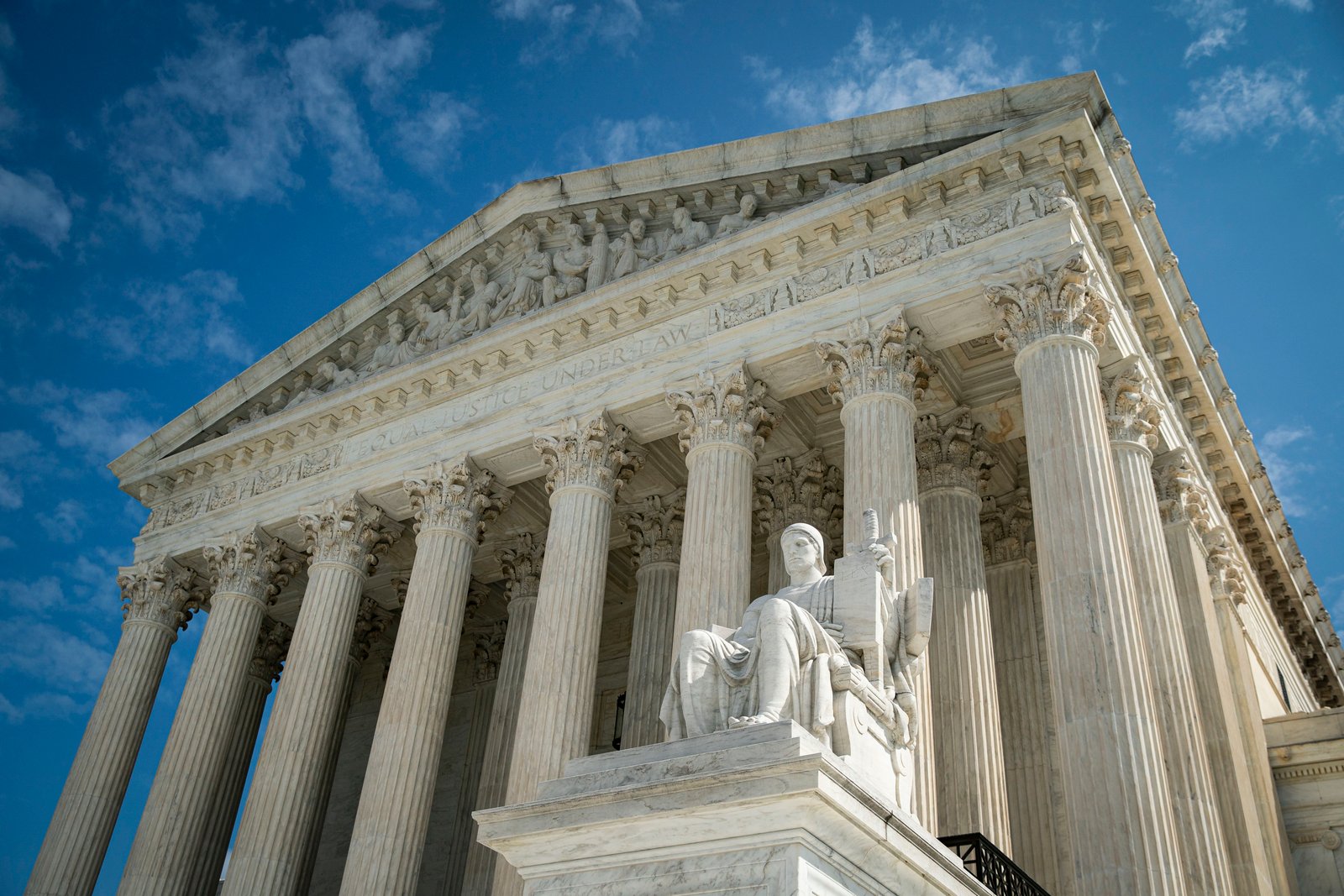
The Supreme Court has ruled to restrict the use of geofence warrants, which allow law enforcement agencies to collect data from smartphones and other devices in a specific geographic area. The court’s decision is a significant victory for civil liberties groups, who had argued that the warrants were too broad and posed a threat to individual privacy. The ruling limits the use of geofence warrants to specific circumstances, such as when there is probable cause to believe that a crime has been committed. The decision is likely to have significant implications for law enforcement agencies, which had been relying on geofence warrants to gather evidence in a range of investigations. The court’s ruling highlights the need for a balance between public safety and individual privacy, and demonstrates the importance of judicial oversight in ensuring that law enforcement agencies do not overstep their authority. As technology continues to evolve, the court’s decision will have significant implications for the future of surveillance and data collection. The ruling is a significant development in the ongoing debate about the use of technology in law enforcement, and is likely to be closely watched by civil liberties groups and law enforcement agencies alike. The decision is a reminder that the Constitution’s protections against unreasonable searches and seizures apply to digital data, just as they do to physical property.

On top of everything as it happens