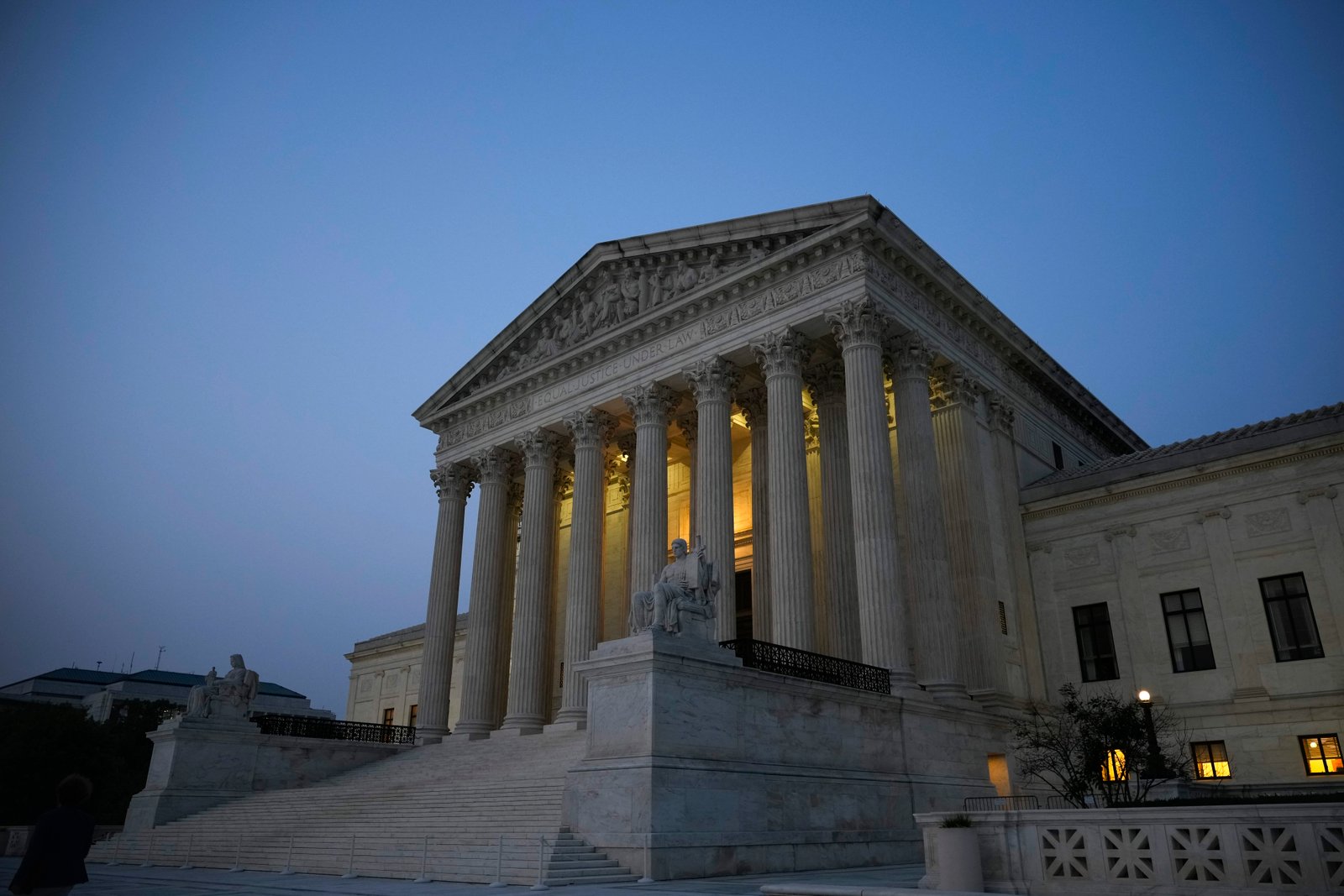
The Supreme Court has ruled that birthright citizenship, as enshrined in the 14th Amendment, remains a fundamental right guaranteed by the Constitution. The decision has been hailed as a major victory for civil rights advocates, who had argued that any attempt to revoke or limit birthright citizenship would be unconstitutional. The court’s ruling has significant implications for immigration policy and the rights of individuals born in the United States. The decision has been seen as a rebuke to efforts to restrict birthright citizenship, which had been proposed by some lawmakers and policymakers. The Supreme Court’s ruling has been welcomed by many, who argue that birthright citizenship is a cornerstone of American identity and a fundamental aspect of the country’s history and values. The decision has also sparked a renewed debate about the role of the Constitution in shaping immigration policy and the rights of citizens. As the country continues to grapple with complex immigration issues, the Supreme Court’s ruling has provided clarity and reassurance to many, affirming the enduring importance of birthright citizenship.

On top of everything as it happens