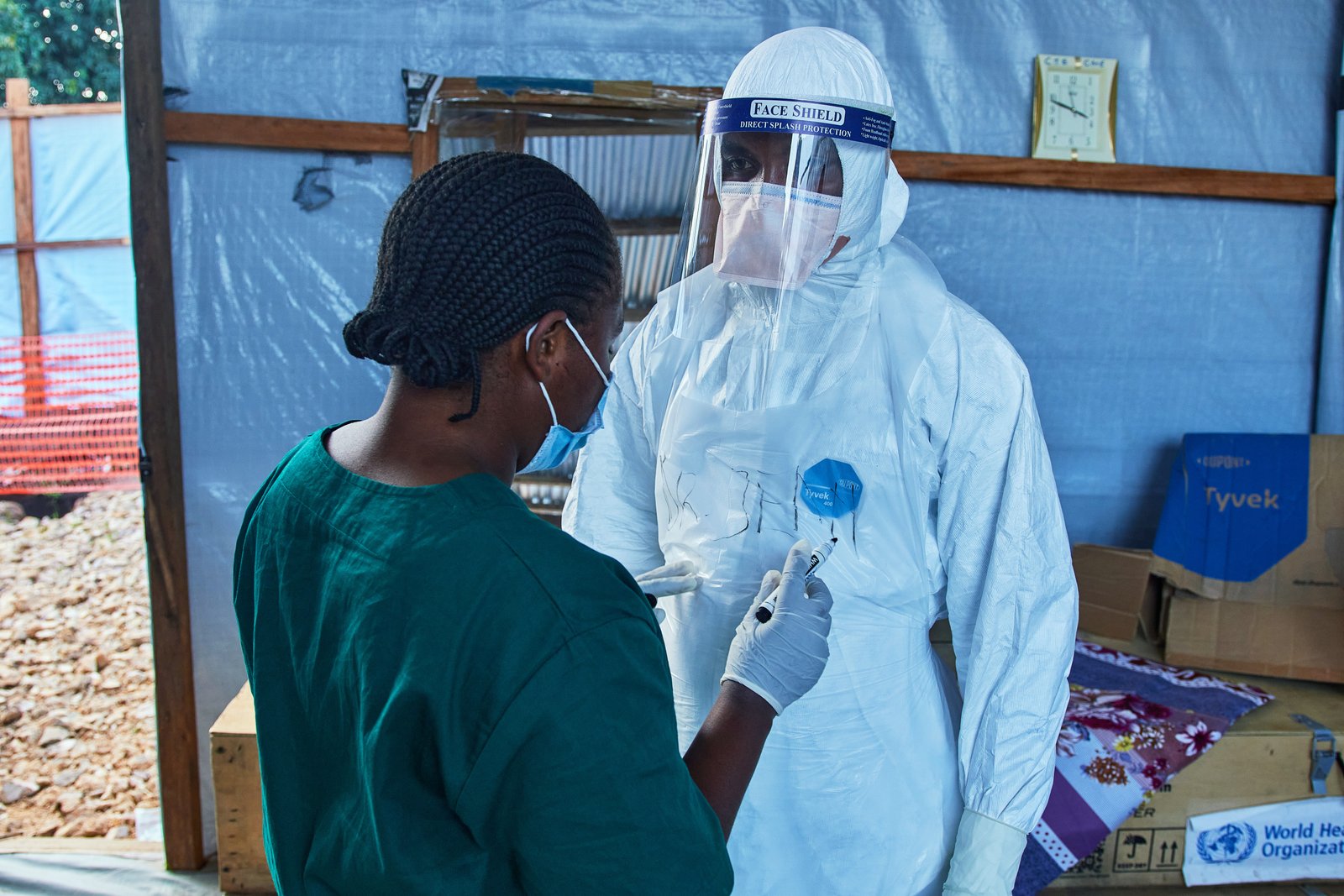
The Ebola outbreak in the Democratic Republic of Congo has taken a devastating turn, with the death toll reaching 600 and new cases suspected in other parts of the country. The outbreak, which was first reported in August 2018, has been concentrated in the northeastern region of the country, but there are now fears that it may be spreading to other areas. Health officials are working to contain the outbreak, but the lack of infrastructure and resources in the affected areas is making it difficult to track and treat new cases. The World Health Organization (WHO) has been providing support to the Congolese government, but the situation remains critical. The Ebola virus is highly contagious and can be fatal if left untreated, making it essential to identify and isolate new cases as quickly as possible. The international community is urging for increased support and funding to help combat the outbreak, which has already had a significant impact on the region. As the situation continues to unfold, it is clear that a coordinated and sustained effort will be needed to bring the outbreak under control and prevent further spread of the disease. The WHO and other health organizations are working closely with local authorities to develop a comprehensive response strategy, which includes vaccination campaigns, contact tracing, and community outreach programs.

On top of everything as it happens