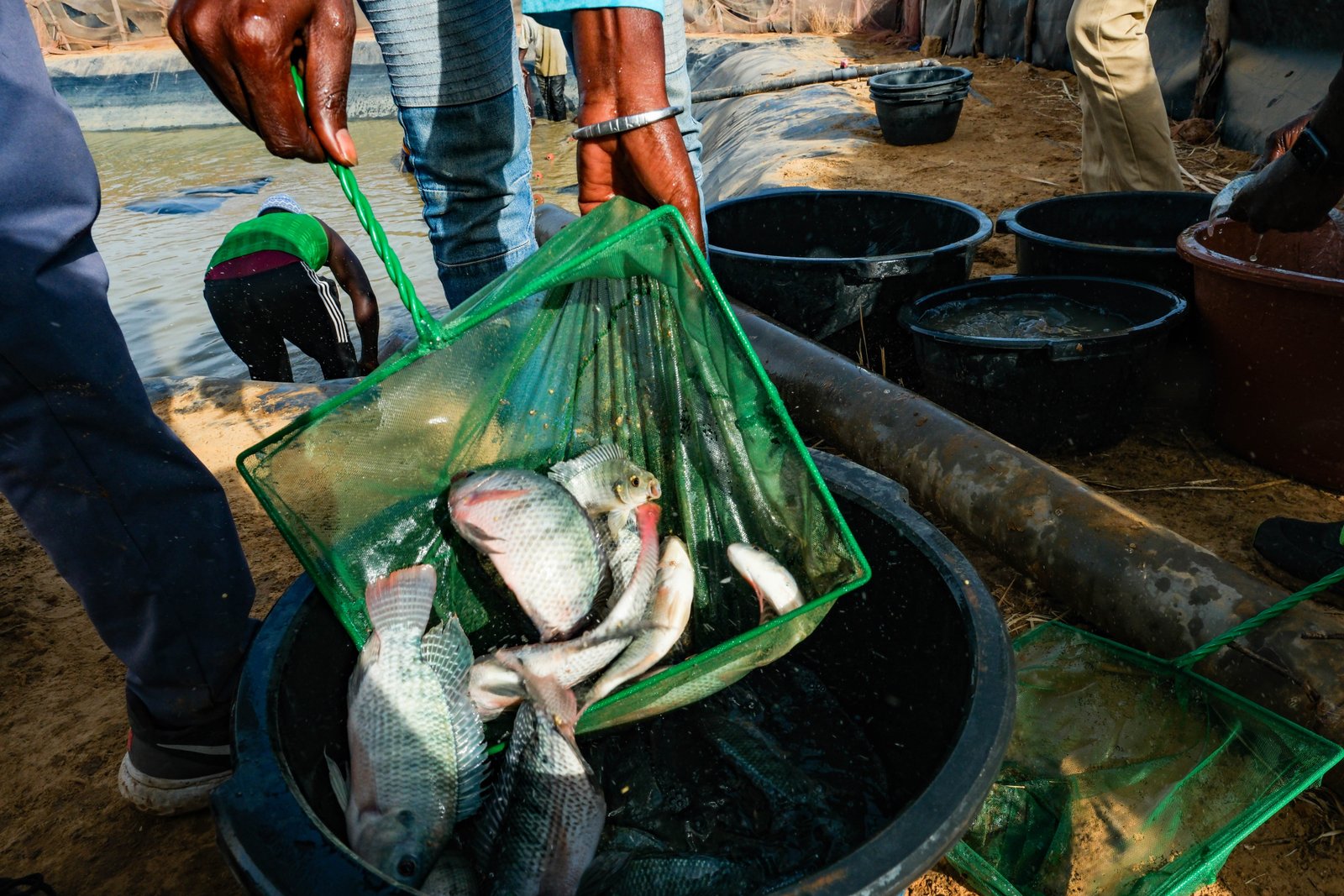
In the West African nation of Senegal, a innovative approach to food production has shown promising results, despite the presence of a deadly worm. The approach, which involves the integrated farming of fish and rice, has not only increased crop yields but also improved the livelihoods of local farmers. However, the presence of the parasitic worm, which can cause serious illness in humans, has posed a significant challenge to the success of the project. The worm, known as the schistosome, is prevalent in the region and can be transmitted through contaminated water or soil. To address this challenge, farmers have implemented a range of measures, including the use of protective clothing and the treatment of infected water sources. The project has also provided training and education to farmers on the risks associated with the worm and the importance of proper hygiene practices. Despite these challenges, the project has shown significant promise, with many farmers reporting increased incomes and improved food security. The approach has also helped to promote biodiversity and reduce the environmental impact of farming practices. As the project continues to grow and expand, it is likely to provide a valuable model for sustainable food production in other regions of Africa and beyond.

On top of everything as it happens