Physical Address
304 North Cardinal St.
Dorchester Center, MA 02124
Physical Address
304 North Cardinal St.
Dorchester Center, MA 02124

On top of everything as it happens
On top of everything as it happens
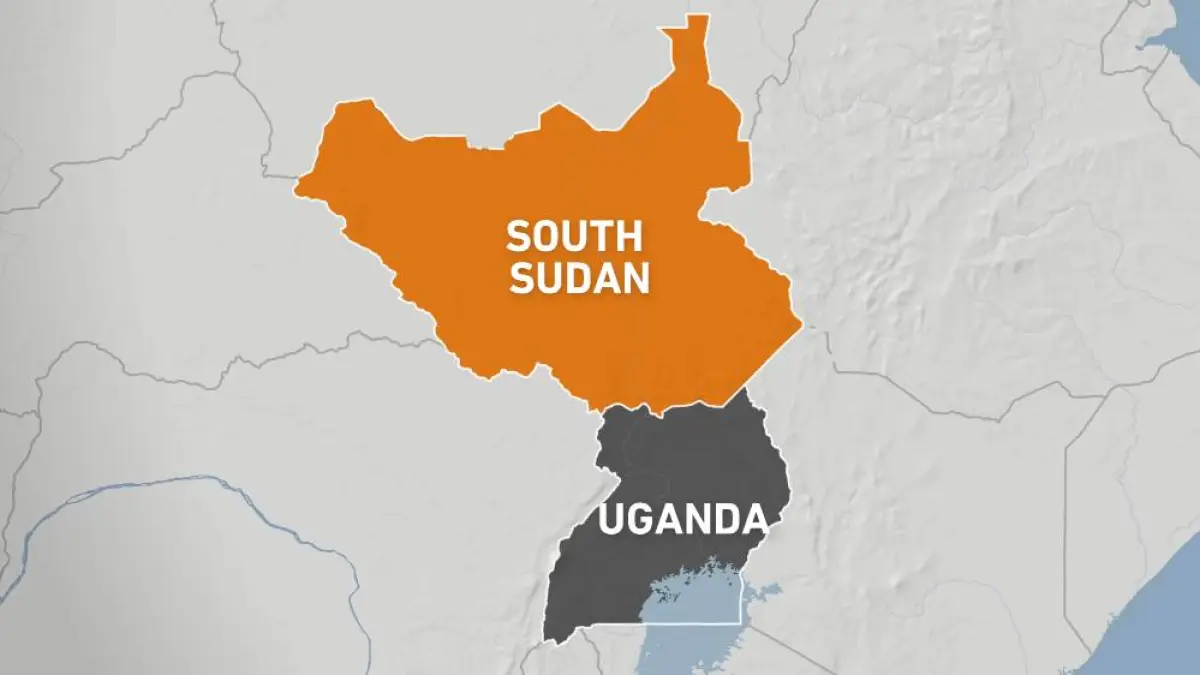
Uganda’s government has pushed back sharply against a United Nations report accusing the Uganda People’s Defence Forces of taking part in aerial attacks that killed civilians in South Sudan. Henry Okello Oryem, Minister of State for Foreign Affairs, dismissed the findings as “hogwash and lies” during an interview with NTV Uganda. He questioned why Uganda, a country he described as widely recognised for promoting peace from South Sudan to Somalia and the eastern Democratic Republic of Congo, would involve itself in killing civilians.
The report in question was released in late February 2026 by the UN Commission on Human Rights in South Sudan. It described joint aerial operations between Ugandan forces and the South Sudan People’s Defence Forces, alleging that these operations struck civilian areas and primarily affected Nuer communities living in zones associated with opposition groups. The commission found that the strikes violated international humanitarian law on the principles of distinction, proportionality and precaution, and documented widespread civilian casualties including deaths and severe burns caused by improvised incendiary devices, among them barrels of flammable liquid dropped from aircraft.
Witnesses described a March 2025 incident in Wunaliet, roughly 15 kilometres from Juba, where homes were set on fire and civilians burned, including a boy described as charred beyond recognition.
Uganda deployed troops to South Sudan in early March 2025 at the invitation of President Salva Kiir’s government under a bilateral security agreement, to support against the Sudan People’s Liberation Movement in Opposition led by Dr. Riek Machar. At the time, UPDF spokesperson Maj. Gen. Felix Kulayigye confirmed the deployment was aimed at maintaining stability.
The situation deteriorated after fighters in Nasir Town, Upper Nile State, overran an SSPDF garrison on March 7, 2025, killing SSPDF commander Gen. David Majur, dozens of soldiers, and a UN crew member who died during a failed evacuation. The incident put the 2018 Revitalized Peace Agreement under severe strain.
The day after one reported attack, UPDF Chief of Defence Forces Gen. Muhoozi Kainerugaba posted on X that Uganda had bombed opposition positions, writing that the air offensive would continue until Riek Machar made peace. The post, accompanied by footage filmed from an aircraft showing explosions below, was later deleted. The UN report cited evidence of significant planning, operational integration and command-level authorization in the attacks.
Uganda has consistently denied any combat role beyond a support function and rejected claims of using chemical weapons or barrel bombs. Minister Oryem hinted at possible bias within certain UN circles toward Uganda, and pledged a thorough investigation along with a formal response to the report. Separately, Amnesty International and a UN panel of experts had previously accused Uganda of breaching the 2018 UN arms embargo on South Sudan by supplying personnel and equipment.