
In a move that has sparked widespread controversy, President Yoweri Museveni has signed the Land Amendment Bill into law, granting the government sweeping powers to acquire private land for public use. The bill, which was passed by parliament in December, has been met with fierce resistance from opposition lawmakers, civil society groups, and landowners, who argue that it undermines property rights and could lead to forced evictions. Museveni, who has been in power since 1986, has defended the bill, saying it is necessary to facilitate infrastructure development and economic growth. However, critics say the law could be used to disenfranchise vulnerable communities, particularly in rural areas where land is a vital source of livelihood. As the news of the signing spread, protests erupted in several parts of the country, with demonstrators clashing with police and demanding the law be repealed. The government has vowed to implement the law, but it remains to be seen how it will be received by the public, and what the long-term consequences will be for Uganda's fragile democracy. What will happen to the thousands of Ugandans who stand to lose their land, and will the government's assurances of fair compensation be enough to placate them?
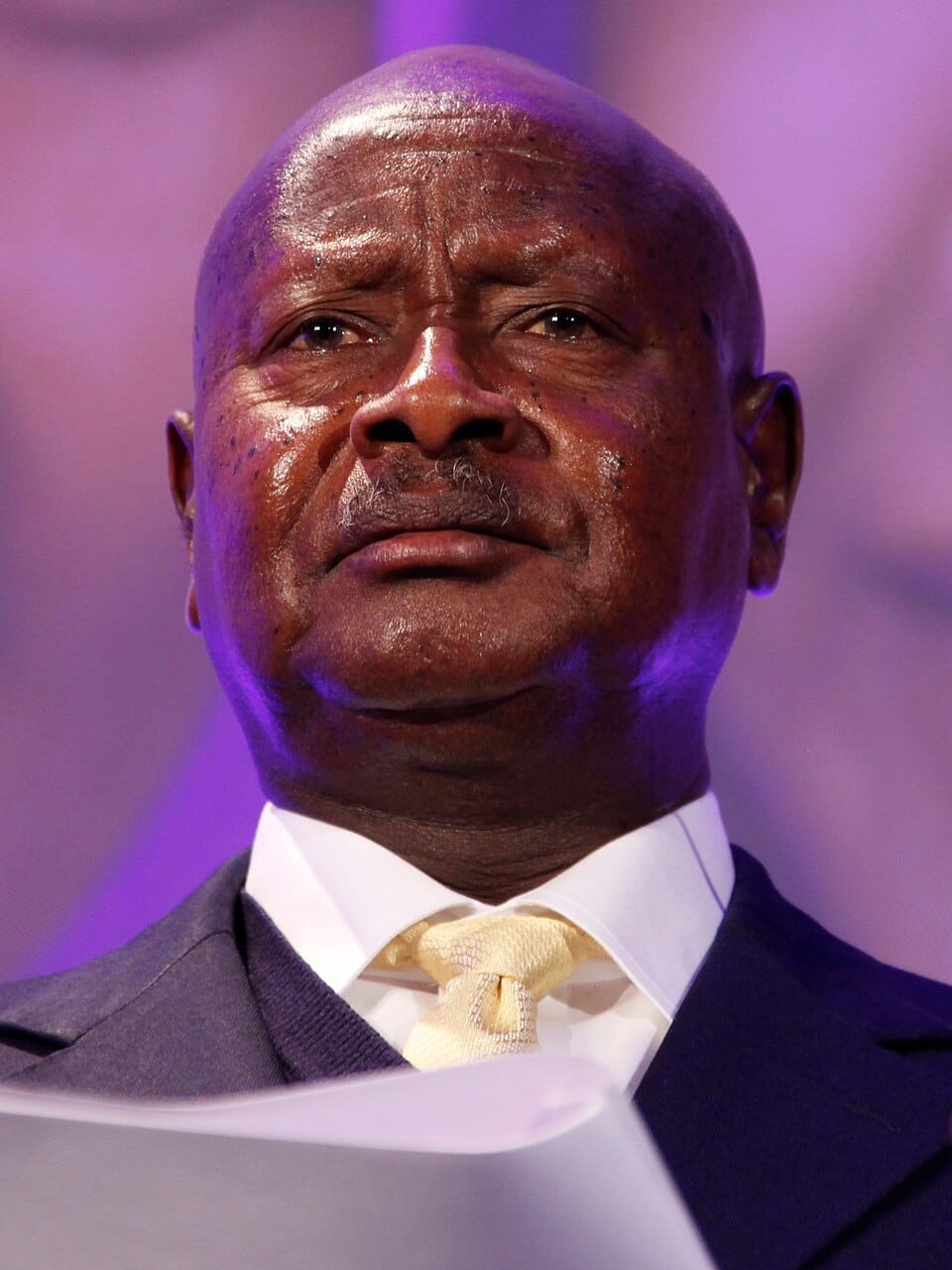 London, 11th July 2012. London Summit on Family Planning