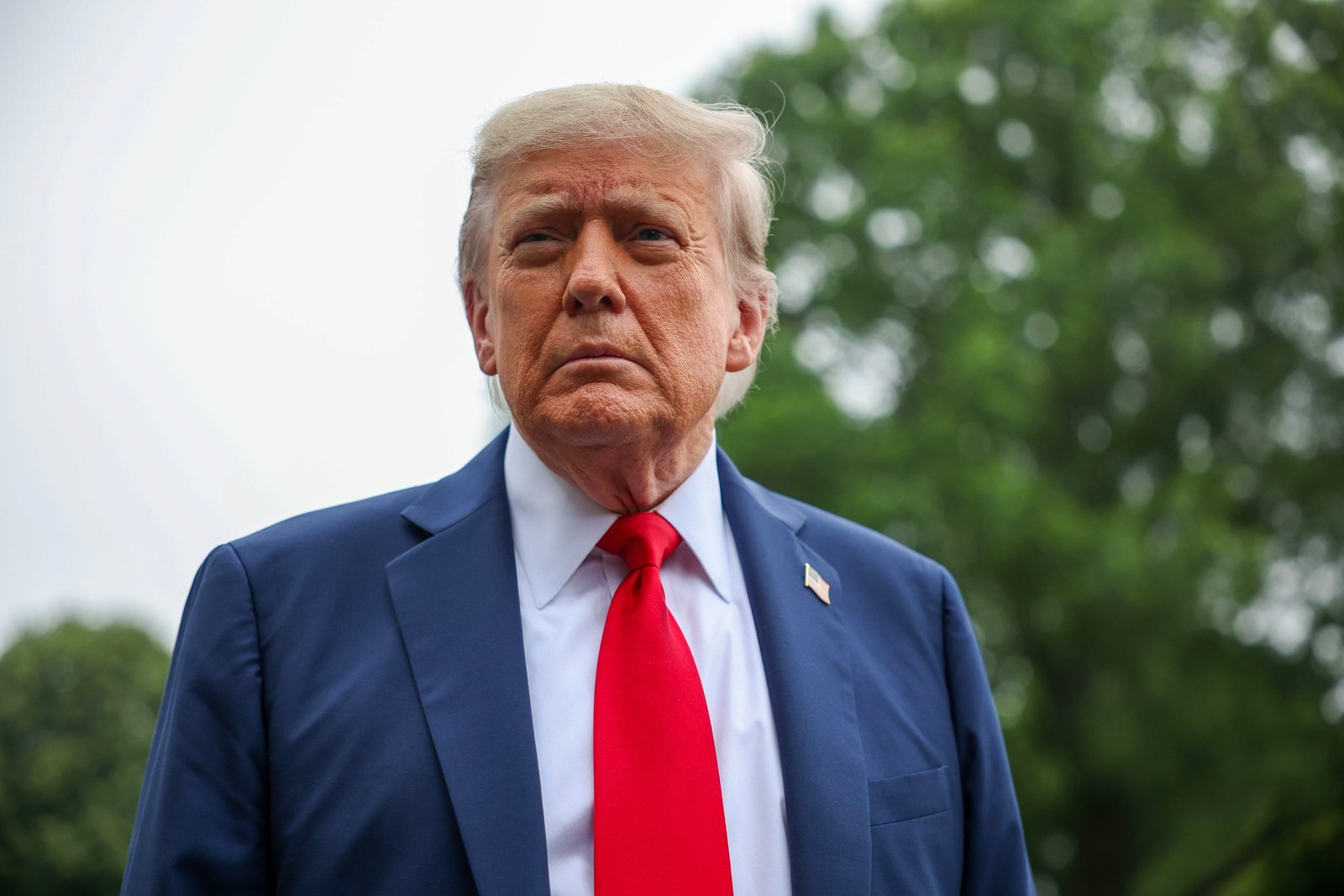
President Trump’s decision to impose tariffs on imports from several countries has significant implications for the global economy. The tariffs, which are intended to protect American industries, are likely to have far-reaching consequences for trade, economic growth, and international relations. Here are five key implications of Trump’s tariff policy: first, higher prices for consumers; second, reduced economic growth; third, trade wars with other countries; fourth, damage to American industries that rely on imports; and fifth, a decline in international cooperation. The tariffs are also likely to have a disproportionate impact on certain sectors, such as agriculture and manufacturing. Furthermore, the tariffs may lead to a decline in investment and a reduction in economic competitiveness. As the global economy becomes increasingly interconnected, the implications of Trump’s tariff policy will be felt far beyond the borders of the United States. It is essential that policymakers consider the potential consequences of their actions and work towards a more cooperative and multilateral approach to trade policy.

On top of everything as it happens