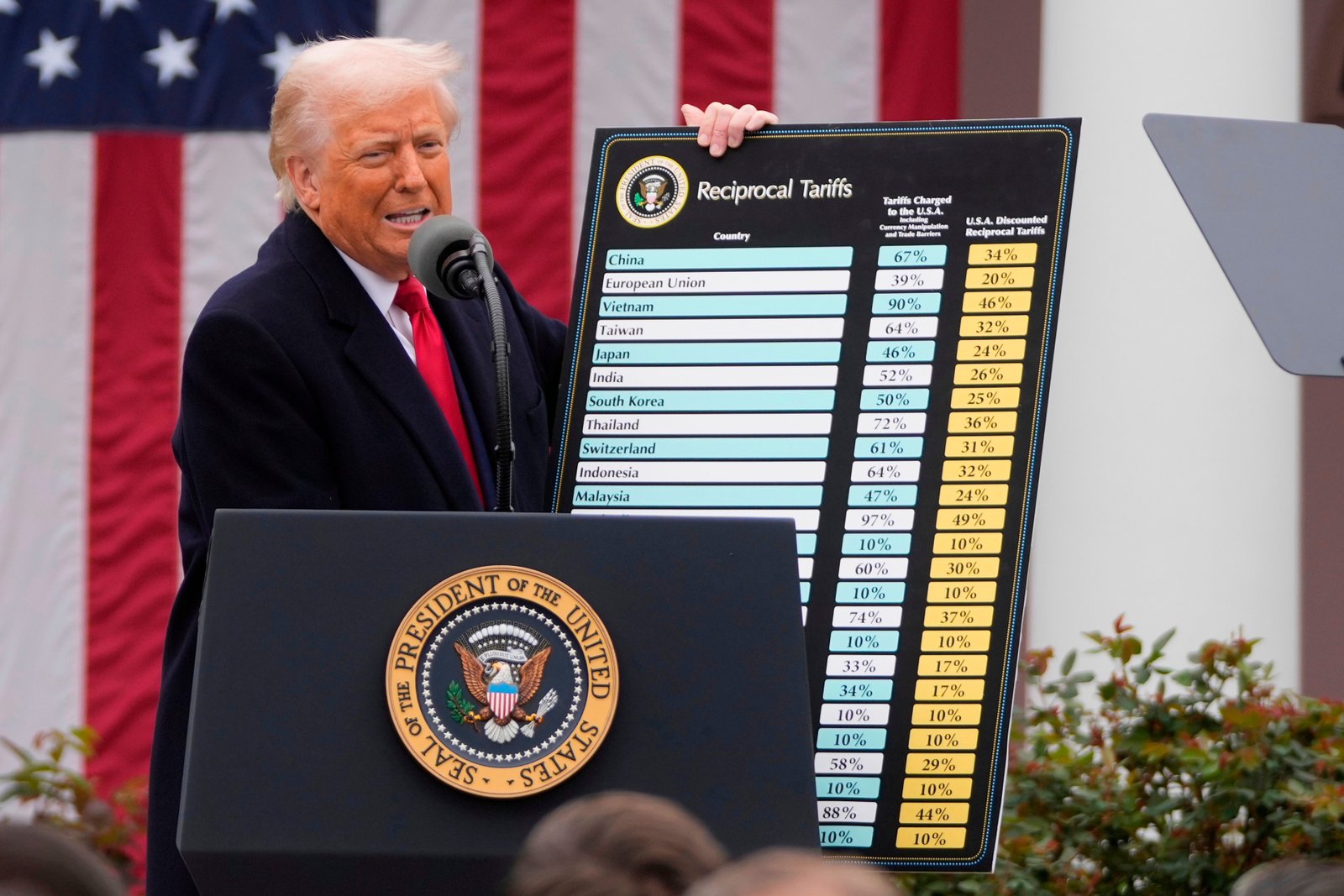
The Trump administration has announced plans to impose double-digit tariffs on dozens of countries, in a move that is likely to escalate tensions in global trade. The tariffs, which will affect a wide range of goods and products, are intended to address what the administration sees as unfair trade practices and to protect American industries. However, the move has been widely criticized by other countries, which argue that the tariffs will harm their economies and violate international trade rules. The tariffs are also likely to have significant implications for American consumers and businesses, who will face higher prices and reduced access to foreign markets. The decision has been seen as a key component of the administration’s ‘America First’ trade policy, which prioritizes the interests of American workers and businesses above all else. As the tariffs come into effect, it is likely that there will be a significant response from other countries, and the possibility of a full-blown trade war cannot be ruled out. The move has also sparked a debate about the effectiveness of tariffs as a tool of trade policy, and has raised questions about the potential consequences for the global economy. The administration will need to carefully consider the potential impacts of the tariffs, and be prepared to negotiate and compromise with other countries in order to avoid a damaging and prolonged trade conflict.

On top of everything as it happens