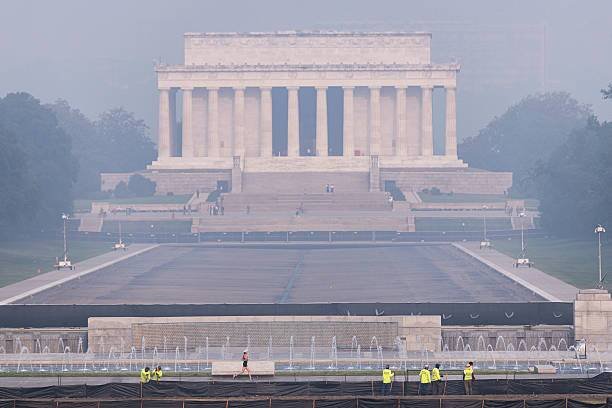
A welcome respite from poor air quality has arrived in the Northeast, as conditions begin to improve following a period of severe pollution. However, the same cannot be said for the Midwest, where wildfire smoke continues to pose a significant threat to air quality. The contrasting scenarios highlight the complexities and challenges of managing air quality, particularly in regions prone to wildfires. In the Northeast, authorities have attributed the improvement to a combination of favorable weather conditions and targeted efforts to reduce emissions. Meanwhile, in the Midwest, firefighters are battling to contain the spread of devastating wildfires, which have been fueled by dry conditions and strong winds. The situation serves as a stark reminder of the importance of addressing climate change and implementing effective strategies to mitigate its impacts. As the nation grapples with the growing threat of wildfires, it is essential to prioritize air quality management and develop sustainable solutions to protect public health and the environment. The dual scenarios also underscore the need for coordinated efforts between regional authorities, emergency services, and environmental agencies to address the root causes of air pollution and promote a healthier, more sustainable future.

On top of everything as it happens