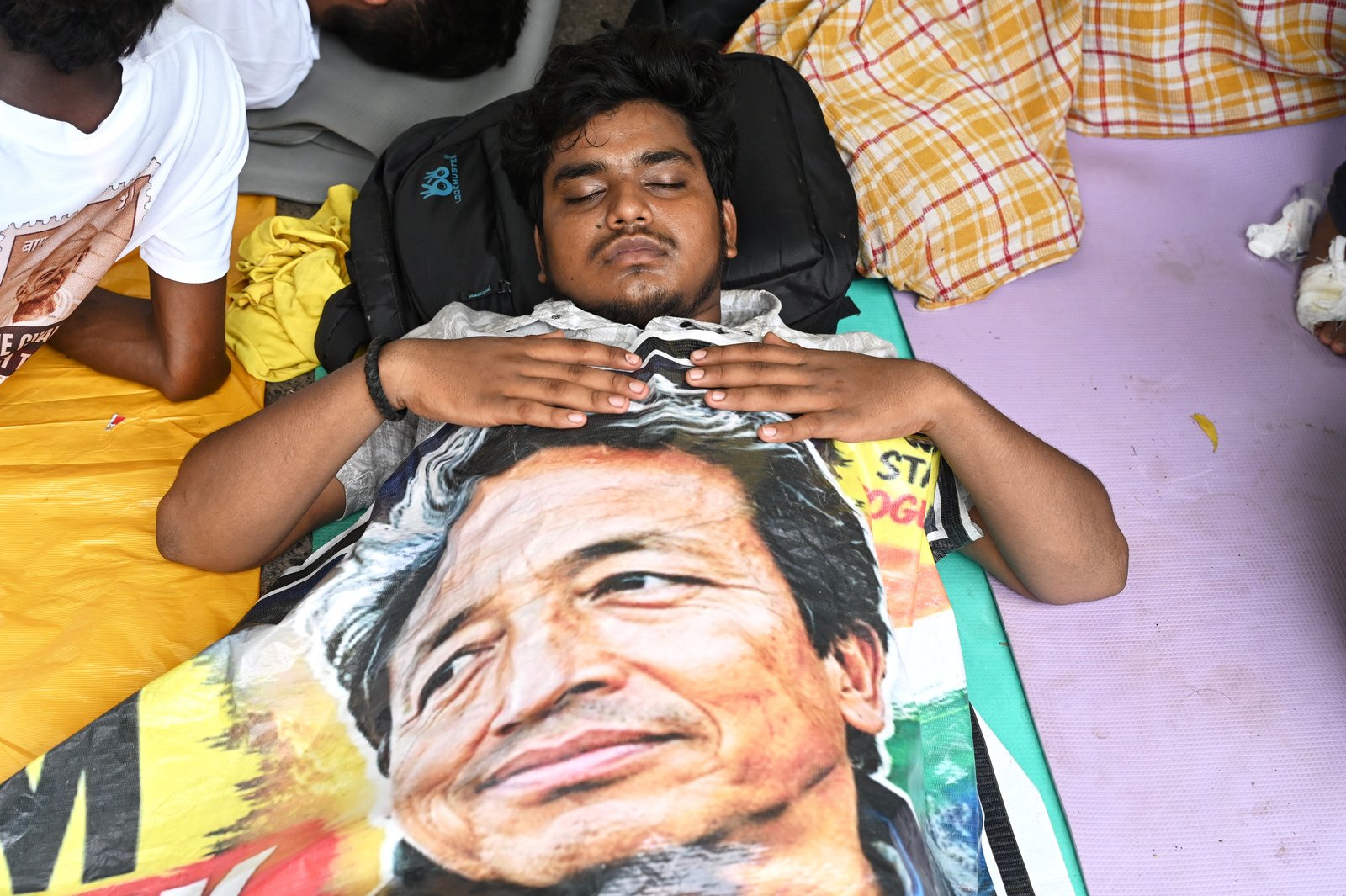
After 26 days of hunger strike, Indian activist Wangchuk has finally ended his protest, citing health concerns and a desire to explore alternative methods of advocacy. The hunger strike was part of a larger movement, known as the ‘Cockroach’ protests, which have been ongoing for several months. The protesters are demanding action on a range of issues, including environmental protection, social justice, and government accountability. Despite Wangchuk’s decision to end his hunger strike, the ‘Cockroach’ protesters have vowed to continue their campaign, using a variety of tactics to bring attention to their cause. The movement has gained significant attention and support, both domestically and internationally, with many praising the protesters’ dedication and commitment to their goals. The Indian government has faced criticism for its handling of the protests, with some accusing it of being heavy-handed and intolerant of dissent. As the protests continue, it is likely that there will be further clashes between the government and the protesters, and the outcome remains uncertain. The ‘Cockroach’ protests have highlighted the deep-seated frustrations and concerns of many Indians, and have sparked a wider debate about the role of activism and protest in bringing about social change.

On top of everything as it happens