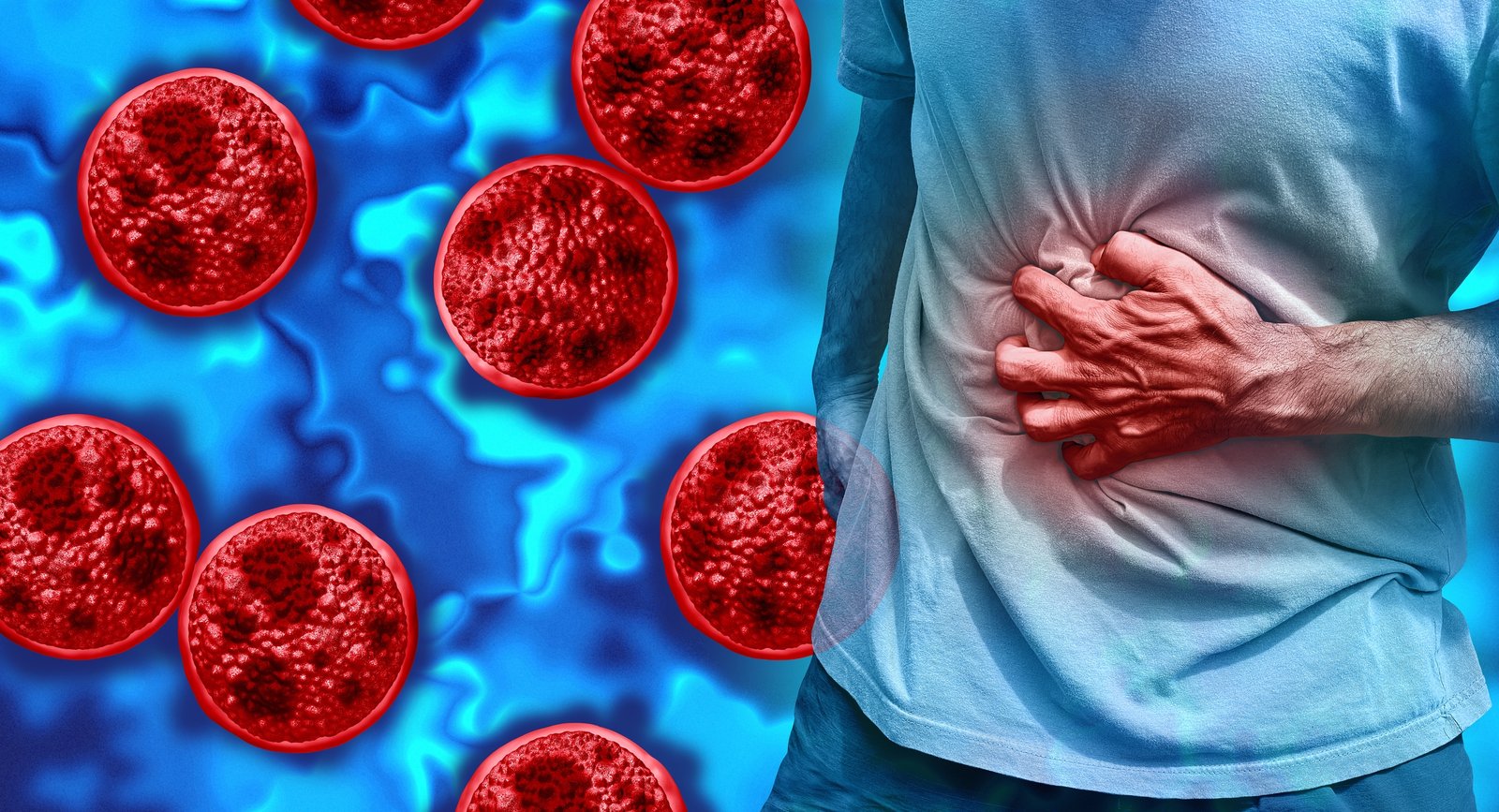
Cyclospora, a type of parasite, has been identified as a significant cause of gastrointestinal illness worldwide. But what exactly does this microorganism do inside the gut, and how does it get there? Research has shown that Cyclospora infects the small intestine, where it multiplies and causes inflammation, leading to symptoms such as diarrhea, abdominal cramps, and weight loss. The parasite is typically ingested through contaminated food or water, often in areas with poor sanitation and hygiene. Once inside the gut, Cyclospora attaches to the intestinal lining, where it feeds on nutrients and begins to replicate. The parasite’s lifecycle is complex, involving multiple stages of development and reproduction. Understanding how Cyclospora infects the gut and how it is transmitted is crucial for developing effective prevention and treatment strategies. Healthcare professionals and researchers are working to raise awareness about the risks of Cyclospora infection and to improve diagnostic techniques. By studying the biology and behavior of this parasite, scientists can develop more targeted and effective treatments, ultimately reducing the burden of Cyclospora-related illness. As the global community continues to grapple with the challenges of infectious disease, a deeper understanding of Cyclospora and its impact on human health is essential for promoting public health and wellbeing.

On top of everything as it happens