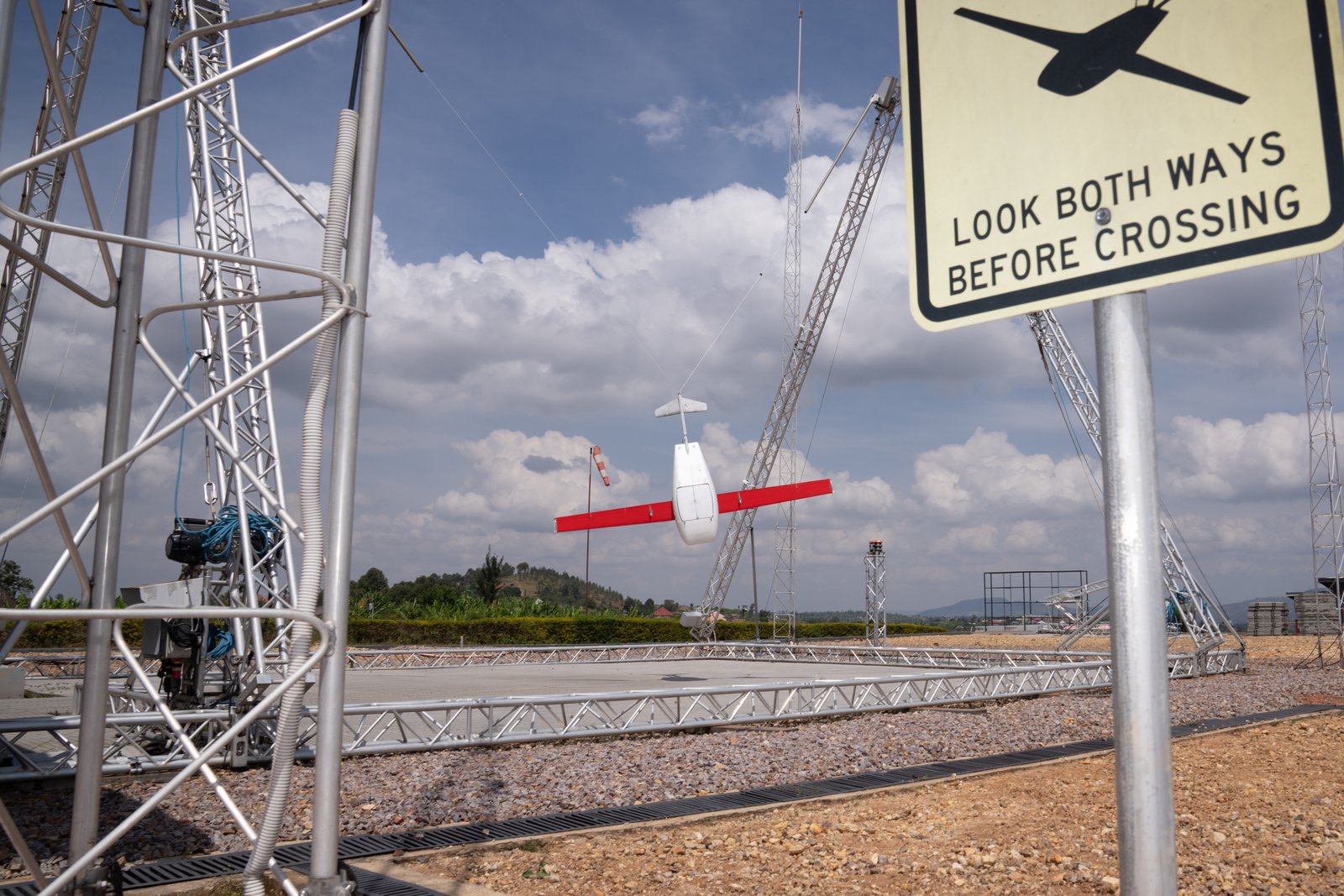
In recent years, drones have emerged as a game-changer in the healthcare sector, with the potential to revolutionize the way medical supplies and services are delivered, particularly in remote or hard-to-reach areas. One country that has been at the forefront of this trend is Rwanda, which has established itself as a world leader in the use of drones for healthcare. Rwanda’s drone program has been used to transport blood, vaccines, and other medical supplies to rural areas, saving countless lives and improving healthcare outcomes. However, despite the many benefits of drones in healthcare, there are limitations to their use. Drones are not a replacement for traditional healthcare infrastructure, and they are not suitable for all types of medical emergencies. Additionally, there are regulatory and logistical challenges that must be addressed in order to ensure the safe and effective use of drones in healthcare. Nevertheless, the potential of drones to improve healthcare outcomes is undeniable, and countries around the world are taking notice. As the use of drones in healthcare continues to evolve, it will be important to address these challenges and to ensure that drones are used in a way that complements and enhances traditional healthcare services.

On top of everything as it happens