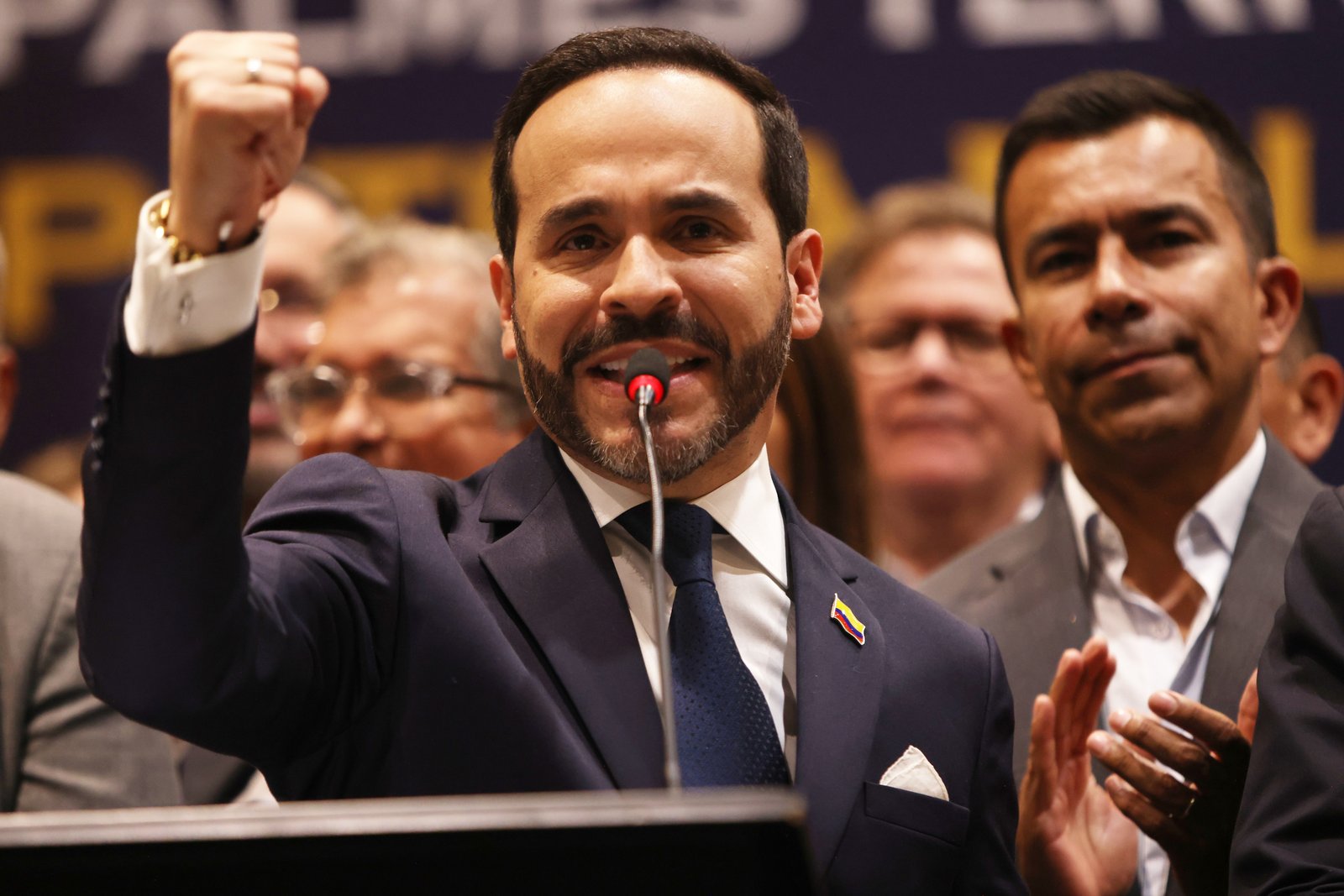
Colombia’s newly elected president has vowed to remake the country and challenge rebel groups, marking a significant shift in the country’s approach to addressing its long-standing conflict. The president, who campaigned on a platform of peace and reconciliation, has pledged to prioritize dialogue and negotiation with rebel groups, while also taking a firm stance against violence and terrorism. The new administration’s approach is likely to be closely watched by the international community, as Colombia has long been a key player in regional efforts to combat organized crime and promote stability. The president’s commitment to challenging rebel groups is particularly significant, as these groups have been responsible for significant violence and instability in the country. The president has also pledged to address the root causes of the conflict, including poverty, inequality, and lack of access to education and economic opportunities. This approach recognizes that the conflict in Colombia is complex and multifaceted, and that a lasting solution will require a comprehensive and nuanced approach. As the new administration begins to implement its policies, it will face significant challenges, including resistance from rebel groups and skepticism from some sectors of Colombian society. However, the president’s commitment to peace and reconciliation has generated widespread hope and optimism, both within Colombia and internationally, and many are watching with interest to see how the country will evolve under its new leadership.

On top of everything as it happens