
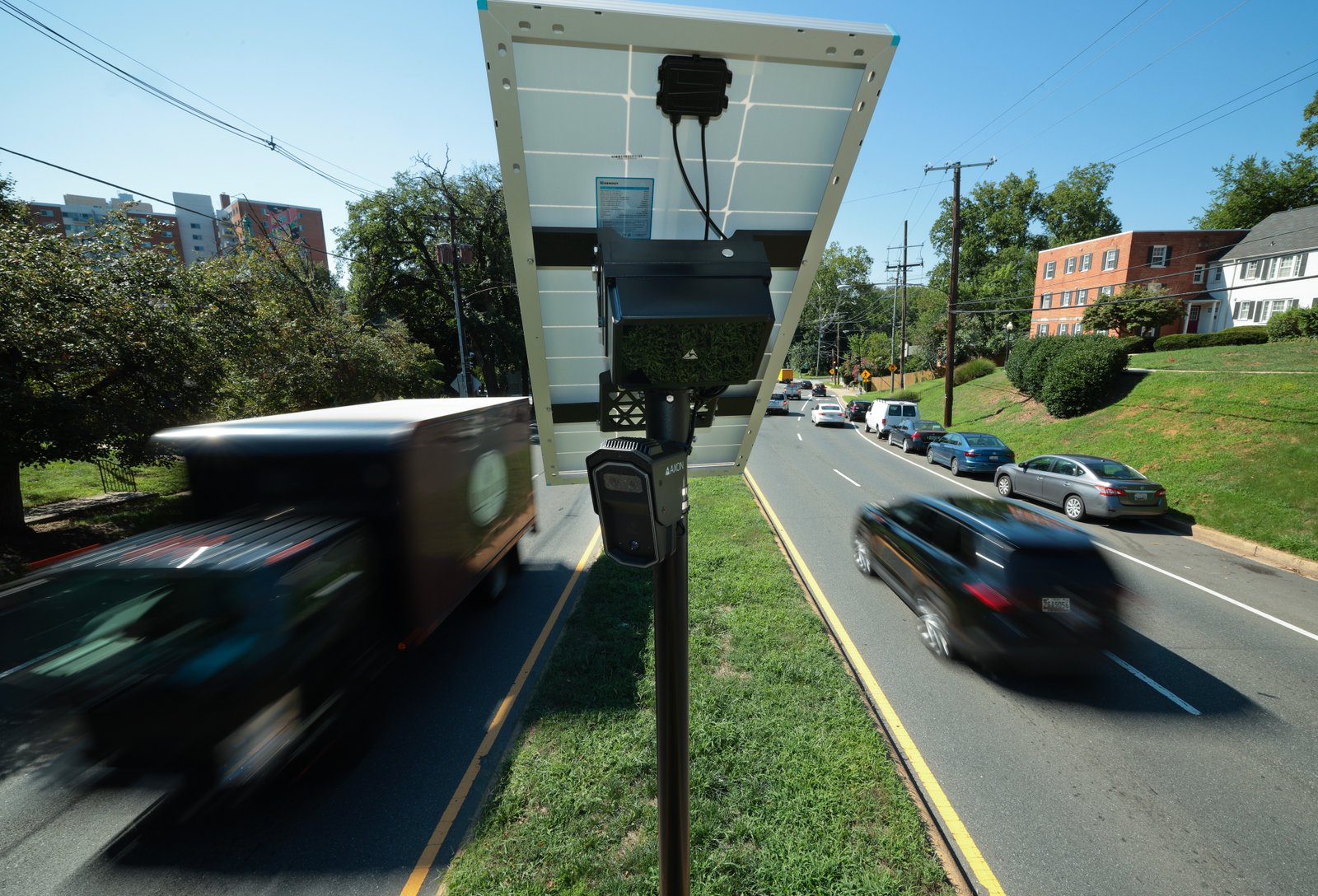
Flock, the facial‑recognition startup that supplies law‑enforcement agencies with real‑time crowd‑monitoring tools, is under intense public and legislative scrutiny after a series of investigative reports revealed that its technology was used to track peaceful protestors without warrants. In response, several city councils have introduced ordinances limiting the use of biometric surveillance, and a coalition of civil‑rights groups filed a class‑action lawsuit alleging violations of privacy rights.
Amid the controversy, competitors such as SentinelAI and ClearView Analytics are positioning themselves as “privacy‑by‑design” alternatives. SentinelAI’s CEO, Maya Patel, announced a new suite of tools that incorporate on‑device processing and anonymized data storage, claiming they comply with emerging state privacy laws. ClearView Analytics, meanwhile, is lobbying for federal guidelines that would standardize oversight of all facial‑recognition vendors.
Industry analysts predict that the fallout from Flock’s challenges could reshape the market, prompting a wave of regulation that may favor firms that can demonstrate robust privacy safeguards. For now, law‑enforcement agencies are weighing the trade‑offs between operational effectiveness and public trust as they decide whether to stick with established vendors or pivot to newer, compliance‑focused solutions.