
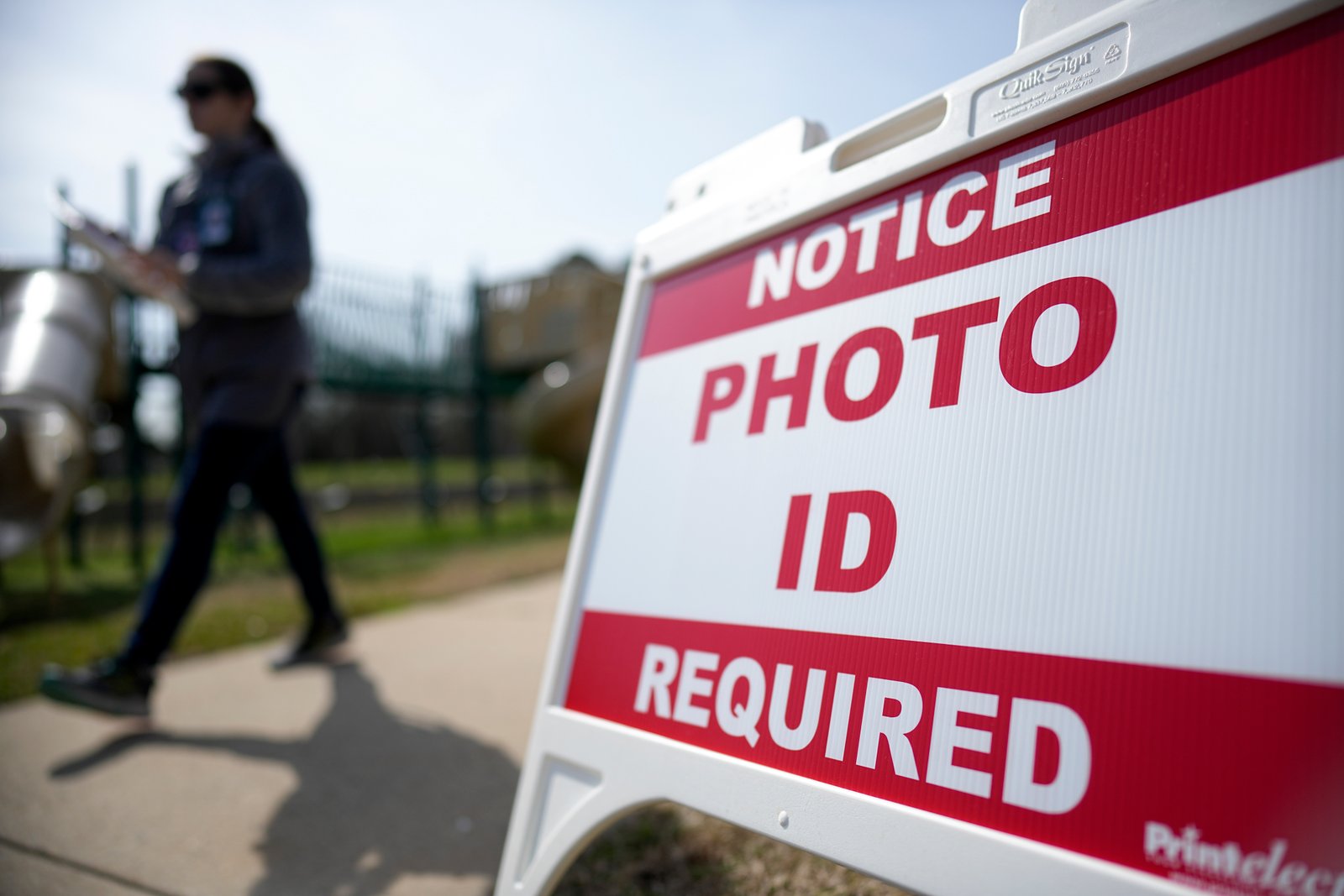
A wave of voter‑identification ballot measures is set to appear on the November 2026 ballots in at least seven U.S. states, including Arizona, Ohio, Texas, Florida, North Carolina, Iowa, and Montana. The measures, largely backed by Republican legislators and conservative advocacy groups, aim to tighten identification requirements for in‑person voting, while opponents argue they will suppress turnout among minorities, the elderly, and low‑income voters.
Proponents claim the reforms are needed to safeguard election integrity, citing unfounded claims of widespread voter fraud. In contrast, civil‑rights organizations, such as the ACLU and the Brennan Center for Justice, have filed lawsuits challenging the constitutionality of the proposed laws, warning that strict ID rules could disenfranchise up to 11 % of eligible voters.
The ballot initiatives vary by state: Arizona’s amendment would require a government‑issued photo ID for all voters; Ohio’s measure would add a “proof of residency” requirement; Texas proposes a statewide voter‑ID database; Florida’s amendment seeks to allow only photo ID at polling places; North Carolina’s bill would limit the use of provisional ballots; Iowa’s proposal adds a requirement for a utility bill as secondary proof; and Montana’s measure would impose stricter penalties for non‑compliance.
Election officials are preparing for a surge in voter‑education campaigns, and the federal government has signaled it will monitor the outcomes for potential violations of the Voting Rights Act. Political analysts predict that the measures could become a pivotal issue in the upcoming midterm elections, influencing voter turnout and party strategies across the nation.