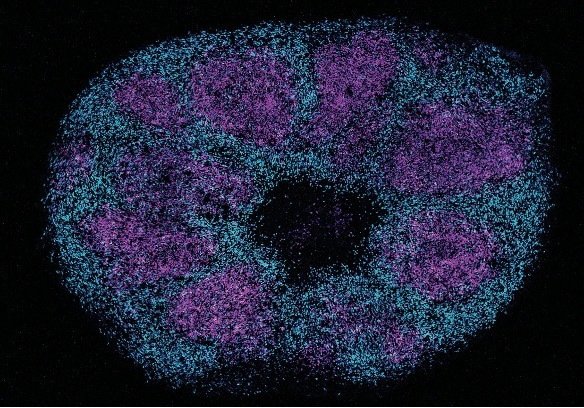
A multinational research consortium published groundbreaking findings in *Nature Neuroscience* this week, revealing a detailed map of protein‑protein interactions that appear to drive profound autism spectrum disorder (ASD) phenotypes. Using high‑throughput proteomics and CRISPR‑based functional screens, scientists identified a network of 27 synaptic proteins whose altered interactions disrupt neuronal signaling pathways. Among the most influential nodes were SHANK3, NRXN1, and CNTNAP2, which together modulate synaptic plasticity and excitatory‑inhibitory balance. The study offers promising new targets for therapeutic development and underscores the importance of molecular precision in treating severe forms of ASD.

On top of everything as it happens