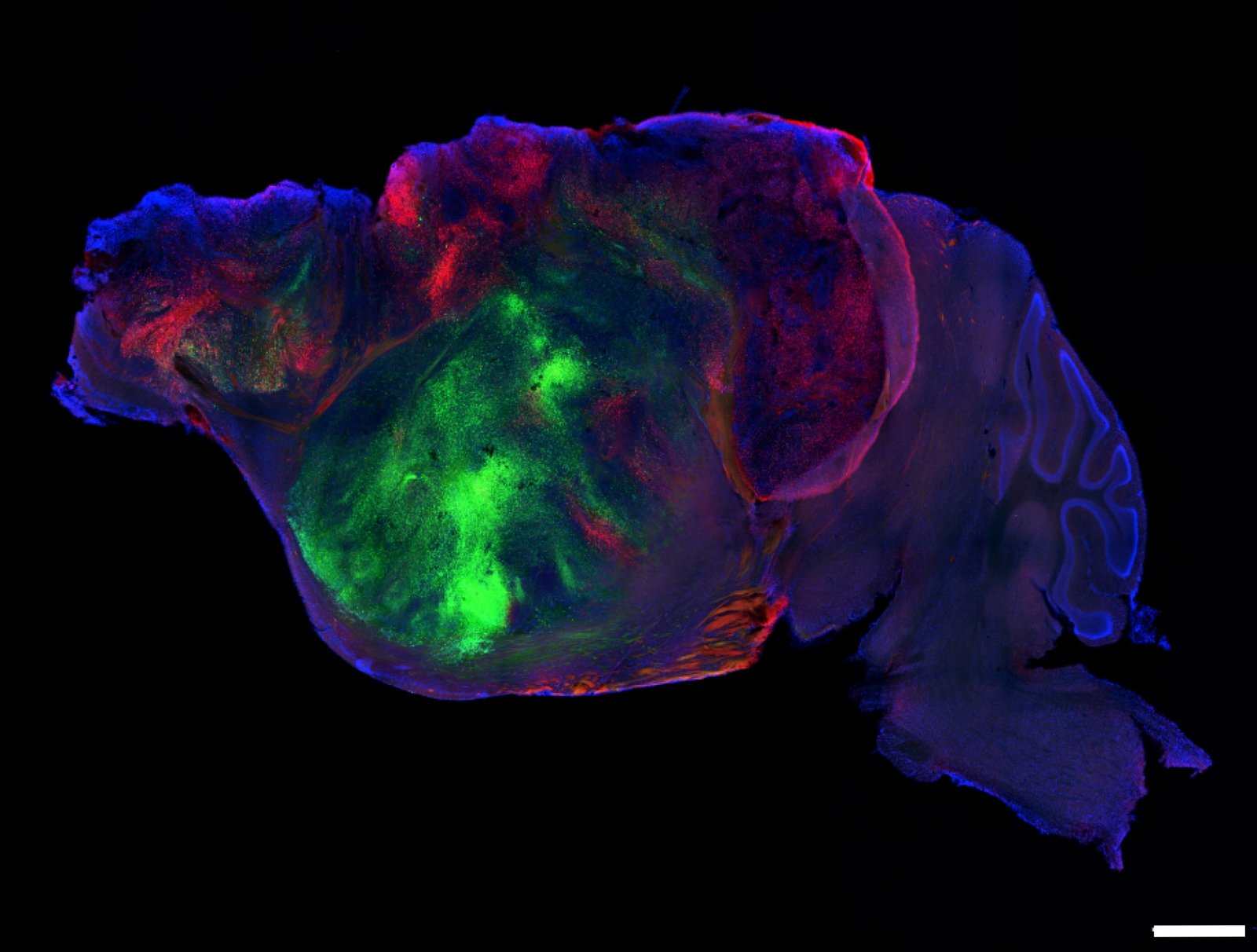
Scientists have created a line of laboratory mice that contain clusters of human brain cells, offering a novel model to investigate neurodegenerative disorders such as Alzheimer’s and Parkinson’s disease. The chimeric mice develop human‑like neural networks, allowing researchers to observe disease progression and test therapeutics in a living system that more closely mimics human biology. While the breakthrough promises faster drug discovery, ethicists warn about the moral implications of mixing human and animal neural tissue. Debates focus on the extent of humanization permissible in animal models, the need for robust oversight, and the potential slippery slope toward more complex human‑animal hybrids.

On top of everything as it happens