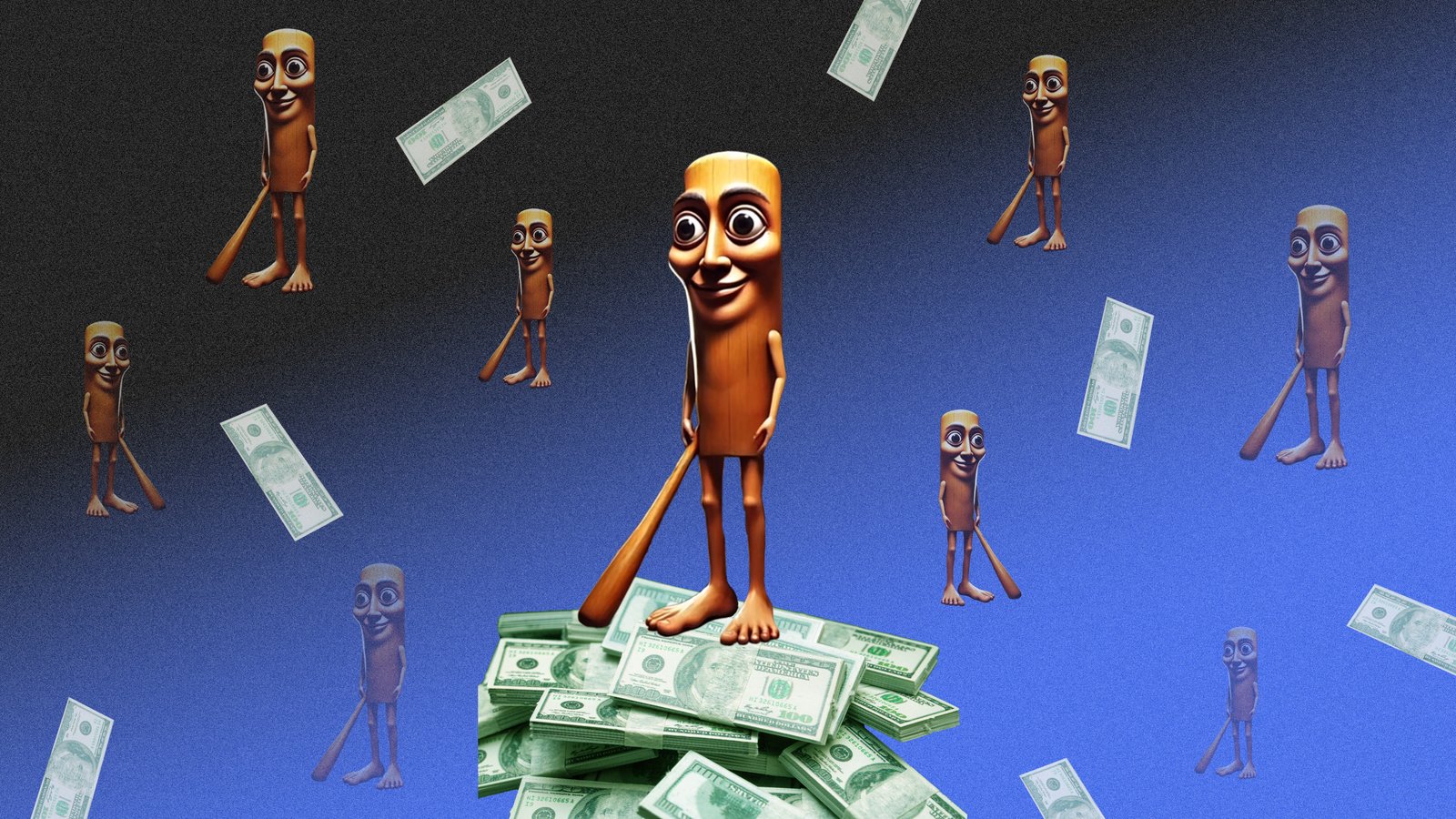
The term “Italian brainrot”—a pejorative used by some AI‑art critics to describe the algorithmic replication of classic Renaissance motifs—has ignited a heated legal and cultural debate over the ownership of AI‑generated artworks. In a recent lawsuit filed in the European Court of Justice, the heirs of famed Italian painter Caravaggio argue that an AI model trained on thousands of high‑resolution images of Caravaggio’s works produces derivative pieces that infringe on the artist’s moral rights. Conversely, the developers of the AI platform, Artifex Labs, contend that the output is a new creation, not a copy, and should be considered public domain. Legal scholars note that the case could set a precedent for how copyright law applies to machine‑learning models trained on historic art. Meanwhile, art institutions are scrambling to draft guidelines that balance the preservation of cultural heritage with the burgeoning field of AI‑assisted creativity.

On top of everything as it happens