
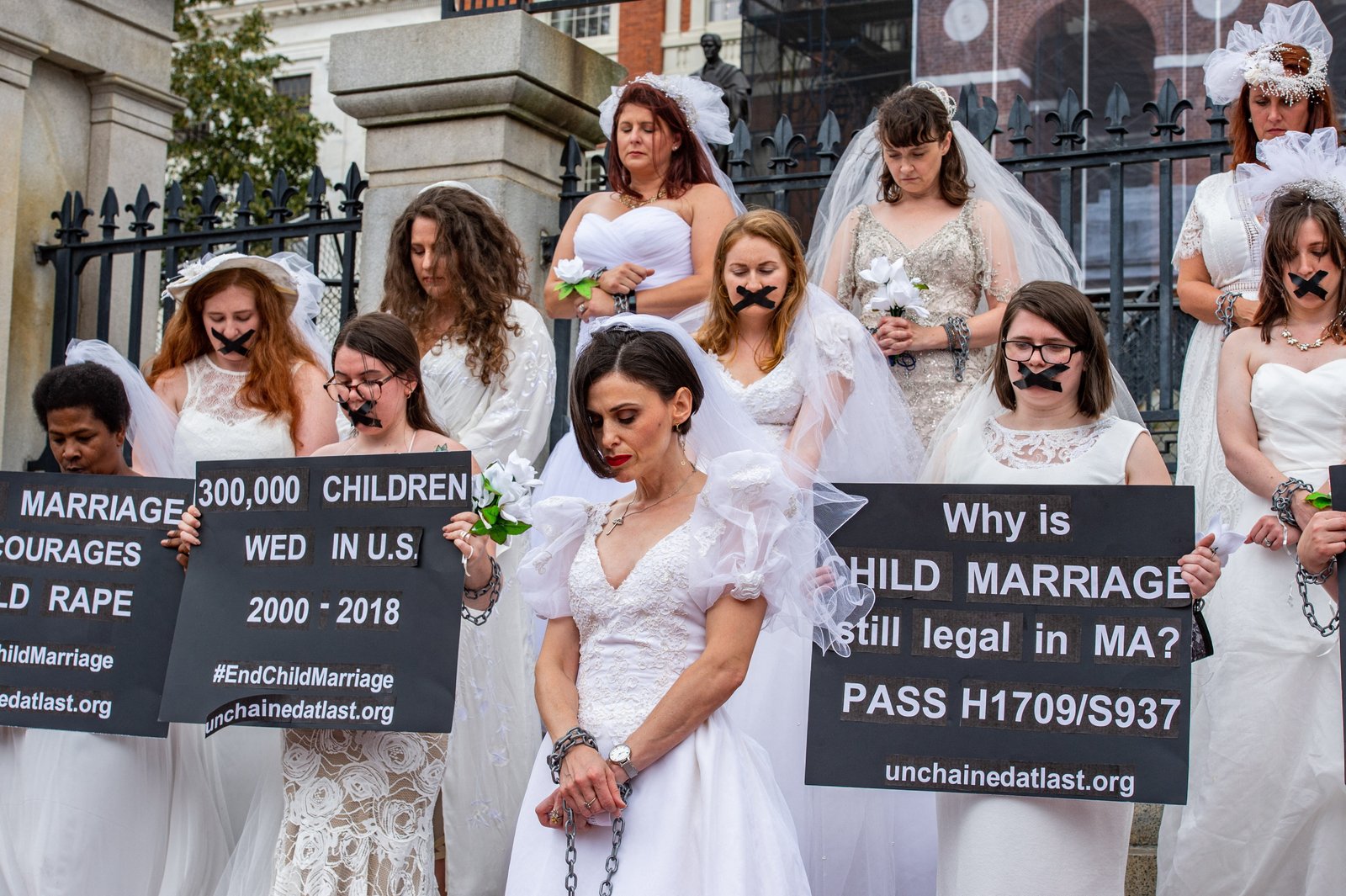
Washington, D.C. – Ten years after the United Nations declared an end to child marriage as a global priority, the United States’ own legislative push to criminalize the practice domestically has largely faded from the public eye. The original campaign, launched in 2014 by a coalition of child‑rights NGOs and several bipartisan lawmakers, sought to amend the federal criminal code to make any marriage involving a person under 18 a felony, regardless of parental consent.
The effort gained momentum after high‑profile cases in Utah and Texas highlighted loopholes that allowed minors to marry with judicial approval. In 2017, the House passed the Child Marriage Prevention Act with a 235‑180 vote, but the Senate never brought the bill to a floor vote, citing competing priorities and concerns over states’ rights.
Since then, the issue has resurfaced sporadically. In 2021, a bipartisan group of senators introduced the “Protecting Minors from Forced Marriage Act,” which focused on forced marriages rather than age‑based bans. The bill passed the Senate Judiciary Committee but stalled in the full chamber. More recently, a 2023 report by the National Center for Law and Policy on Child Marriage documented an estimated 200,000 child marriages in the U.S. over the past decade, prompting renewed calls from advocacy groups.
Despite these data points, the campaign has struggled to maintain legislative traction. Analysts point to several factors: the fragmented nature of marriage law, which is largely governed by states; the political sensitivity surrounding parental rights; and the lack of a unified national narrative. “Child marriage is often framed as a cultural or religious issue, which makes it harder to rally a broad coalition,” said Dr. Evelyn Harper, a sociologist at Georgetown University.
In 2024, the Center for American Progress released a policy brief urging Congress to re‑introduce a federal ban, coupled with increased funding for state‑level enforcement and victim services. The brief argues that a federal standard would close loopholes and provide consistent protection for minors across all 50 states.
As the next congressional session begins, the question remains whether the renewed data and advocacy will translate into concrete legislation, or whether the campaign will once again be relegated to the margins of the national agenda.