
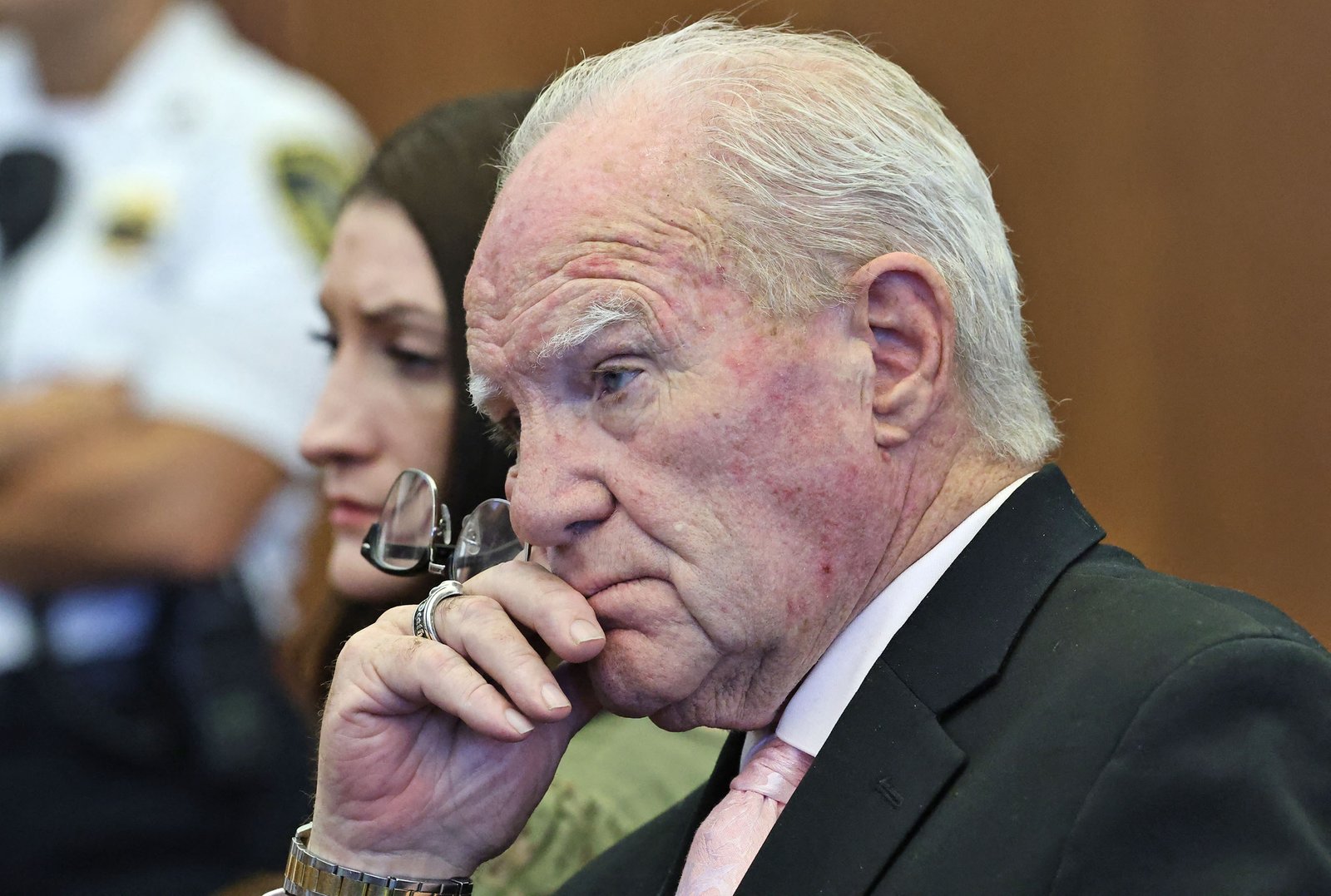
Chicago – A Cook County judge declared a mistrial on Thursday in the high‑profile murder trial of Lindsay Clancy after the jury reported it could not reach a unanimous verdict after 48 hours of deliberation.
Clancy, 29, was accused of killing her former boyfriend, Michael “Mick” Donovan, in a downtown apartment in March 2023. The prosecution presented forensic evidence linking Clancy’s DNA to the crime scene, while the defense argued that the evidence was contaminated and that Donovan’s death was a tragic accident.
During the trial, the jury was split 9‑3 in favor of conviction, with three jurors citing reasonable doubt over the chain‑of‑custody for the DNA samples. The judge, Hon. Laura Martinez, instructed the jury that a unanimous decision was required for a conviction under Illinois law. When the foreperson reported the deadlock, Judge Martinez asked the jurors to continue deliberating, but after an additional two hours, the deadlock persisted.
“Given the inability of the jury to reach a unanimous conclusion, I am compelled to declare a mistrial,” Judge Martinez said from the bench. “The State may choose to retry this case, subject to the usual procedural safeguards.”
The prosecution’s lead attorney, Assistant State’s Attorney Daniel Kim, expressed disappointment but indicated the State would review the case for a possible retrial. “We remain confident in the evidence and will consider the appropriate next steps,” Kim said.
Clancy’s defense team, led by attorney Samantha Reed, welcomed the decision. “The jury’s inability to convict reflects the reasonable doubt we have consistently raised,” Reed said. “We will continue to fight for Ms. Clancy’s freedom.”
The case has drawn significant media attention due to the couple’s social‑media presence and the graphic nature of the crime scene photographs presented at trial. If the State decides to pursue a retrial, it will likely be scheduled for early next year, pending the availability of the court and the jury pool.
Legal analysts note that mistrials are relatively rare in high‑profile murder cases and can be a strategic decision for the prosecution to avoid a potential acquittal. “The State will weigh the risks of a second trial against the public interest in achieving a conviction,” said criminal law professor Dr. Anthony Greene of Northwestern University.