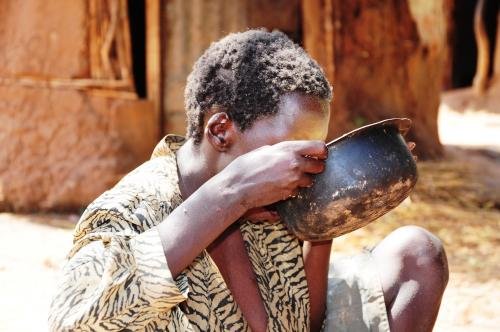
The government has announced emergency food relief measures in response to the worsening food crisis in Karamoja, which has claimed the lives of sixteen people. The region has been experiencing severe food shortages due to drought, crop failure, and livestock diseases, leaving thousands of people in dire need of assistance. The government’s emergency response includes the distribution of food aid, provision of medical supplies, and implementation of livelihood support programs. The relief efforts are aimed at mitigating the effects of the crisis, which has been exacerbated by climate change, poverty, and lack of access to basic services. The situation in Karamoja is a stark reminder of the vulnerability of rural communities to food insecurity and the need for sustained investment in agriculture, infrastructure, and social services. The government’s response has been welcomed by humanitarian organizations, which have been working to support affected communities. However, more needs to be done to address the root causes of the crisis and ensure that vulnerable populations have access to nutritious food and basic necessities. The government’s emergency relief measures are a crucial step towards alleviating the suffering of the people of Karamoja, but a long-term solution requires a comprehensive approach that involves multiple stakeholders and a commitment to sustainable development.

On top of everything as it happens