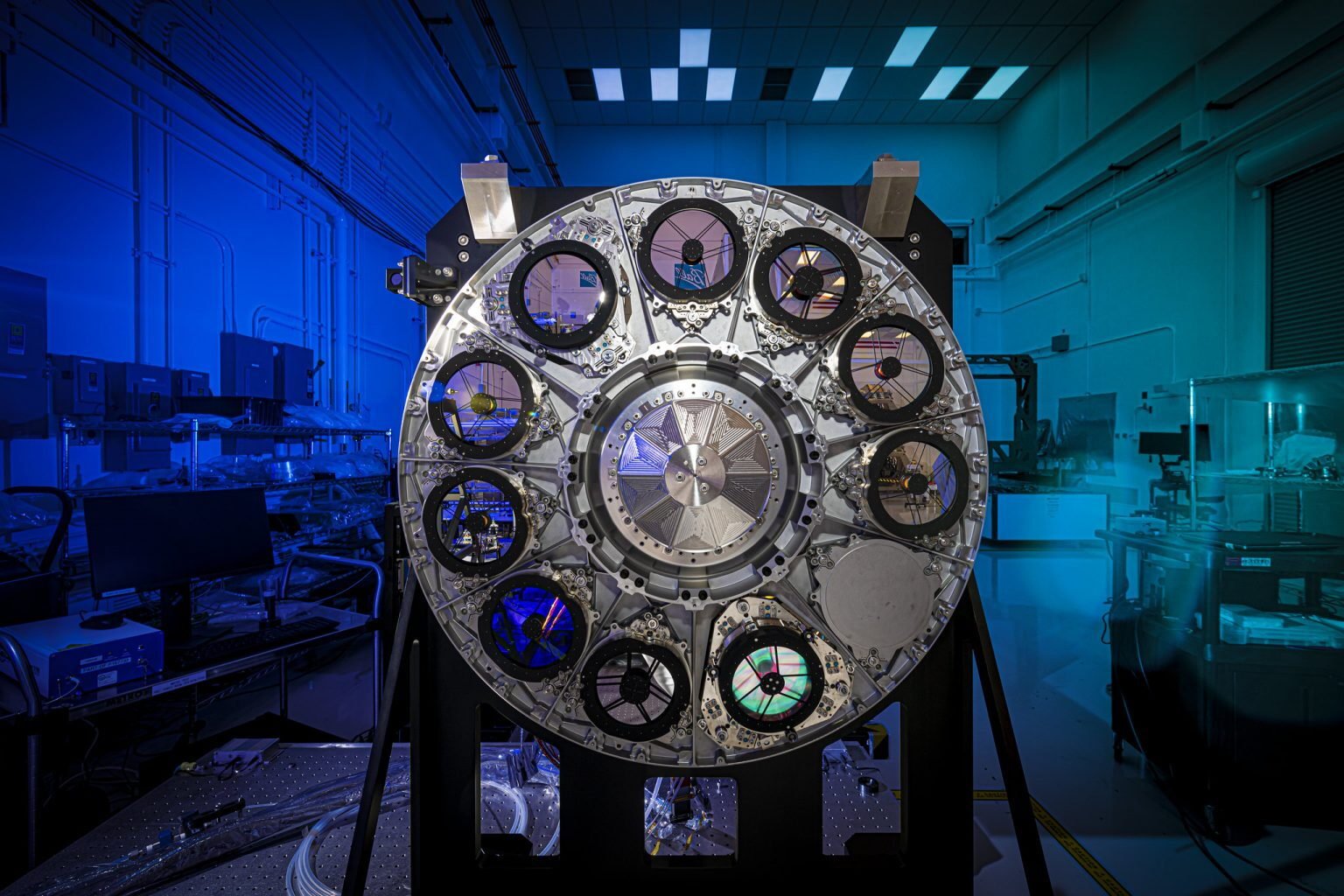
NASA is preparing for the launch of the Advanced Cosmic Vision Telescope (ACVT), scheduled for early next month from Cape Canaveral. The $2.4 billion observatory, featuring a 10‑meter segmented mirror and cutting‑edge infrared detectors, promises to peer farther back in time than any previous telescope. Scientists anticipate that ACVT will be capable of detecting the faint glow of the first galaxies that formed after the Big Bang, mapping exoplanet atmospheres with unprecedented precision, and potentially identifying biosignature gases on worlds beyond our solar system. The mission, a collaboration between NASA, the European Space Agency, and several university research groups, will operate at the second Lagrange point (L2), providing a stable, thermally quiet environment. NASA Administrator Dr. Elena Ramirez described the launch as “a monumental step toward answering humanity’s oldest questions about our place in the universe.” The scientific community eagerly awaits the first data release, expected later this year.

On top of everything as it happens