
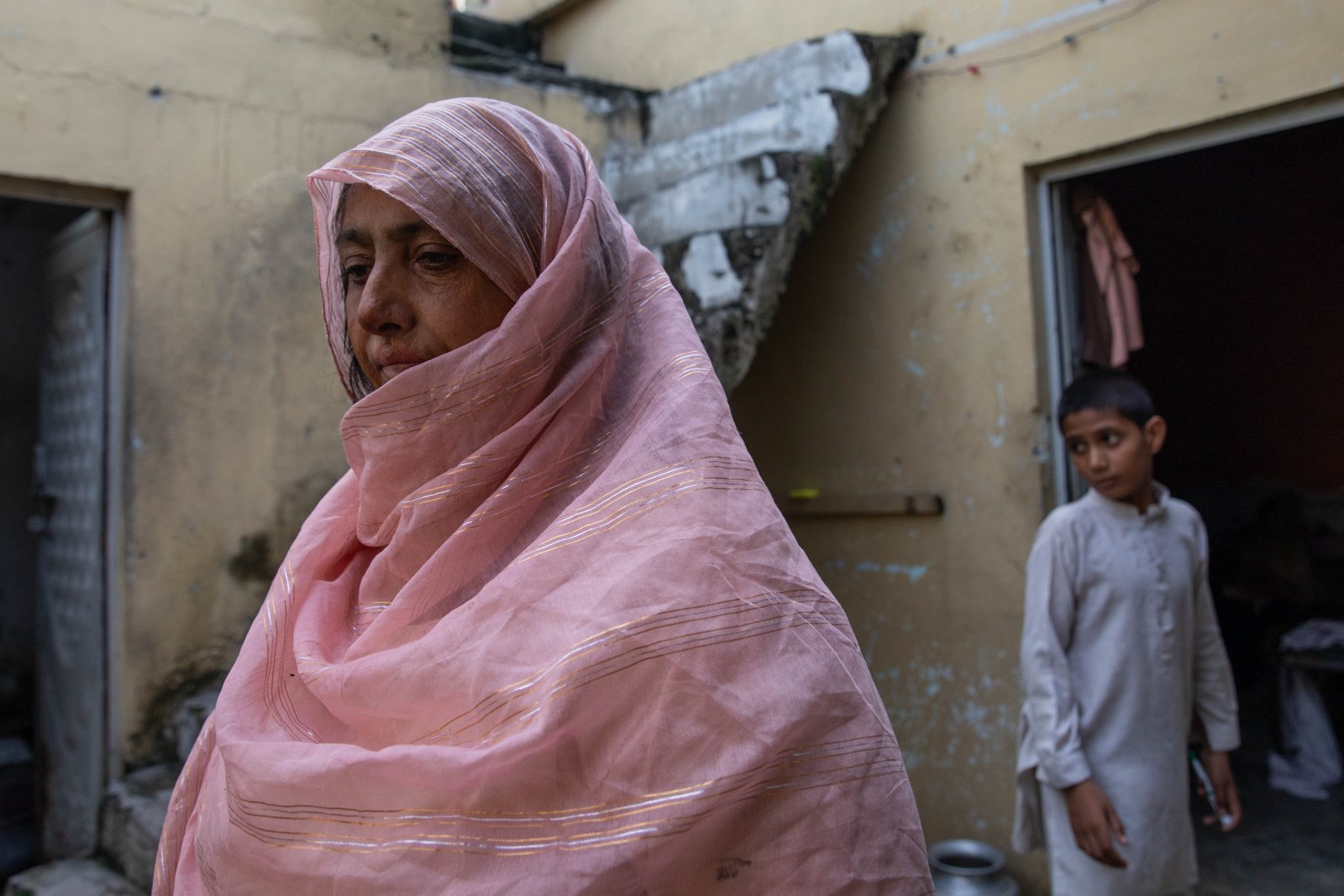
Mwanza, Tanzania – In the remote village of Kijiji Kijani, dozens of families have watched their homes crumble under the weight of a government‑backed demolition campaign. The houses, built in close proximity to a centuries‑old shrine dedicated to Saint Moses, have become the focus of a contentious redevelopment plan.
Local elders explain that the shrine, a pilgrimage site for thousands each year, was historically protected by customary land rights. However, a recent decree from the Ministry of Lands classifies the surrounding area as “strategic public land” earmarked for a new highway and a commercial market.
“The shrine is the heart of our community,” said village chief Asha Nyerere. “Our ancestors believed the saint watches over us, and we built our homes with his blessing. To tear them down is to erase our identity.”
Human‑rights groups argue that the demolitions violate Tanzania’s Constitution, which guarantees protection of cultural heritage sites. They have filed an injunction demanding a halt to the evictions and an independent assessment of the shrine’s legal status.
The government, meanwhile, claims the project will boost regional trade and reduce traffic congestion. Officials promise “fair compensation” for displaced families, though many residents report receiving offers far below market value.
As bulldozers continue their work, the community remains divided: some hope the new infrastructure will bring jobs, while others fear the loss of a sacred space that has defined their way of life for generations.