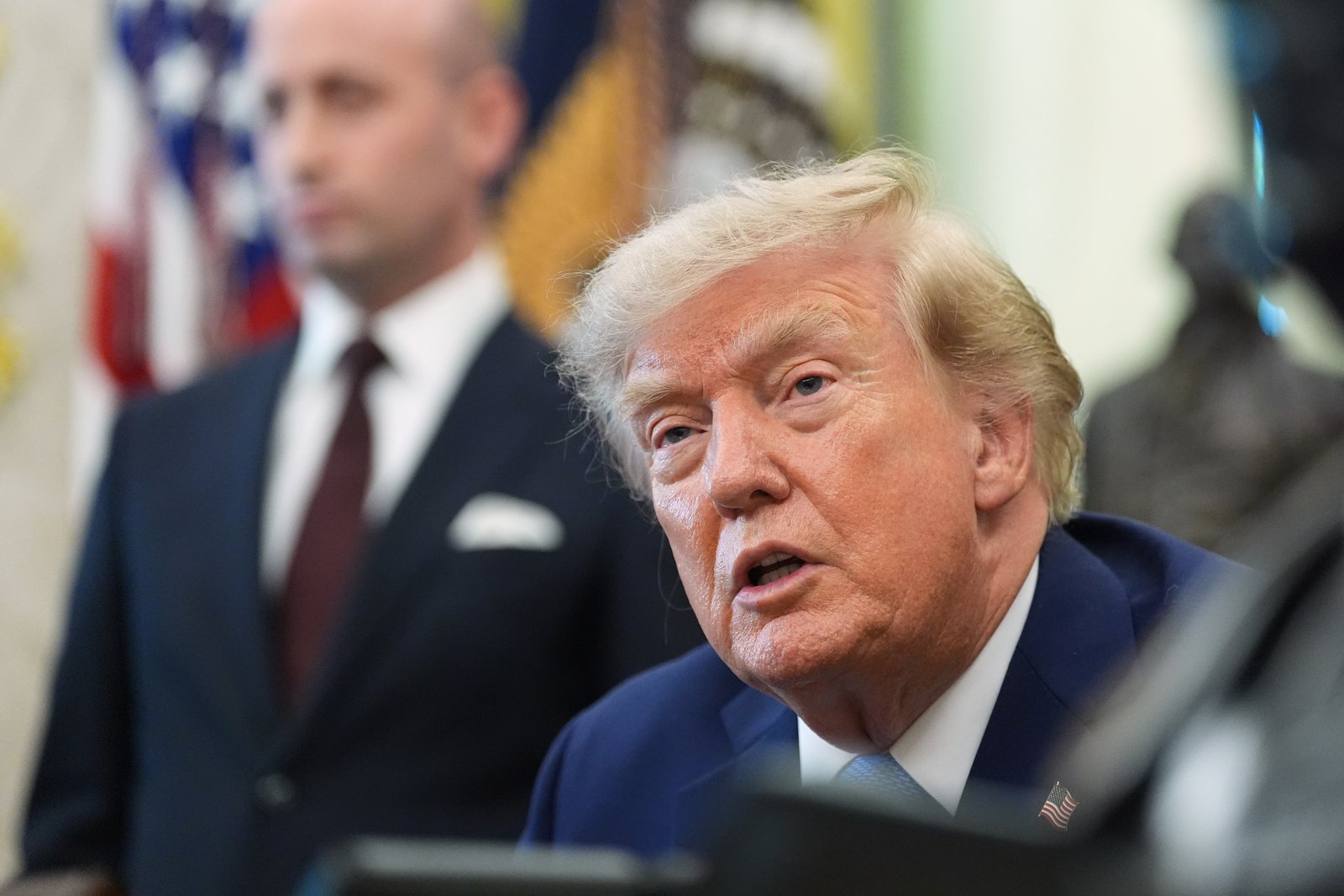
In a move aimed at reforming the US immigration system, former President Donald Trump has signed two executive actions aimed at curbing ‘birth tourism’ and limiting birthright citizenship. The actions are designed to prevent individuals from taking advantage of the country’s birthright citizenship laws, which grant automatic citizenship to anyone born on US soil. The first action targets the practice of ‘birth tourism,’ where pregnant women travel to the US specifically to give birth and secure citizenship for their children. The second action seeks to limit birthright citizenship by redefining the term ‘subject to the jurisdiction’ of the US, which would exclude the children of non-citizens and undocumented immigrants from automatic citizenship. The moves have been met with both praise and criticism, with some arguing that they are necessary to prevent abuse of the immigration system, while others see them as an attack on the fundamental principles of American citizenship. The actions are likely to face legal challenges and have sparked a heated debate about the future of immigration policy in the US. As the country grapples with the complexities of immigration reform, the actions are a significant development in the ongoing conversation about the meaning and scope of American citizenship.

On top of everything as it happens