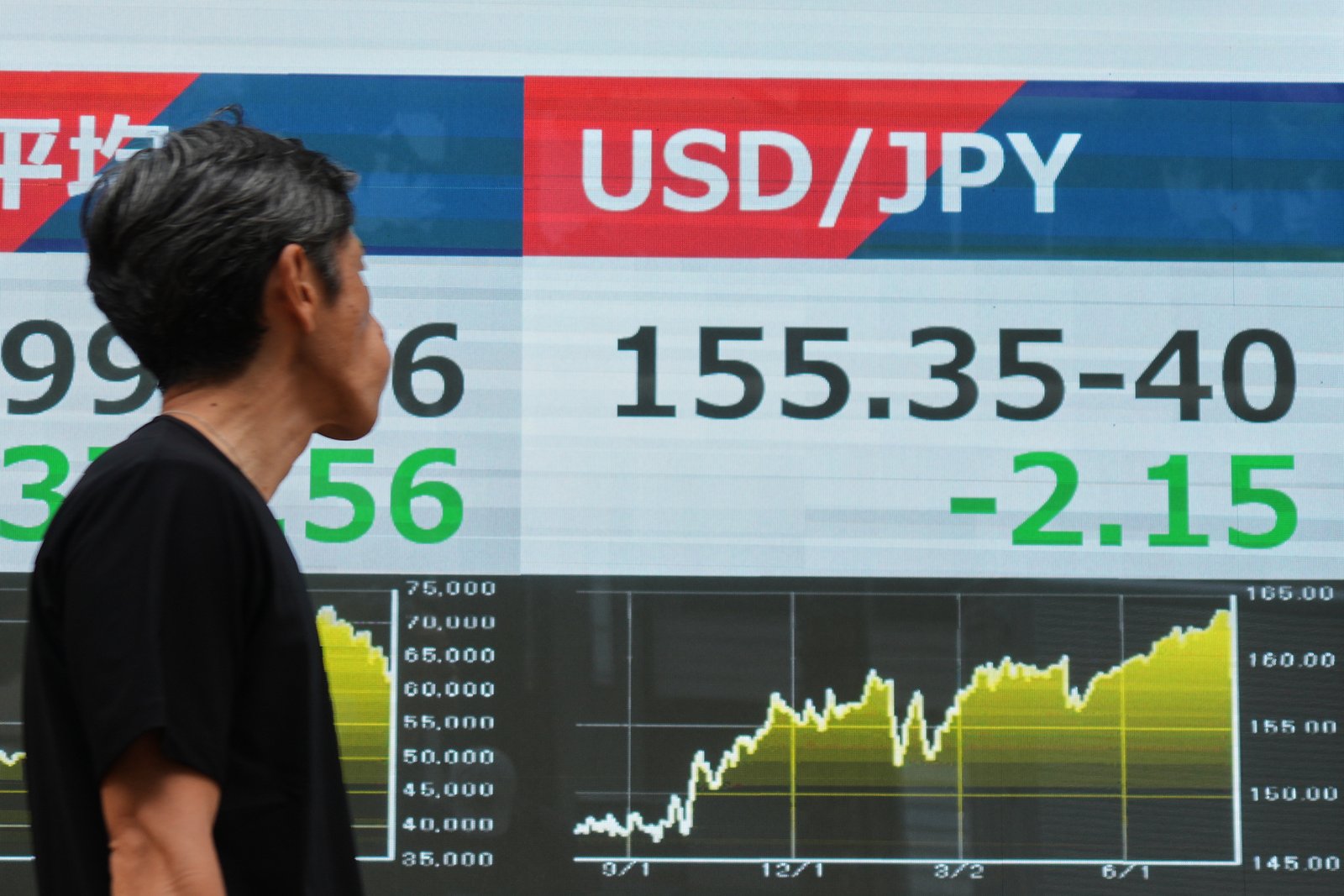
The U.S. dollar has weakened sharply against the Japanese yen, following a series of market interventions by the Japanese government. The yen, which has been one of the best-performing major currencies in recent months, has continued to strengthen against the dollar, despite efforts by Japanese policymakers to weaken it. The market interventions, which have included the sale of yen and the purchase of dollars, have been aimed at reducing the value of the yen and making Japanese exports more competitive. However, the efforts have so far been unsuccessful, with the yen continuing to rise against the dollar. The strong yen has been a major concern for Japanese exporters, who have seen their profits squeezed by the currency’s appreciation. The Japanese government has announced that it will continue to take steps to weaken the yen, including further market interventions and monetary policy easing. The move has significant implications for the global economy, as a strong yen can have a negative impact on trade and economic growth. The U.S. Federal Reserve has been watching the situation closely, with some analysts predicting that the strong yen could lead to a reduction in U.S. interest rates. As the currency market continues to evolve, it remains to be seen how the Japanese government’s efforts will impact the value of the yen and the broader economy.

On top of everything as it happens