
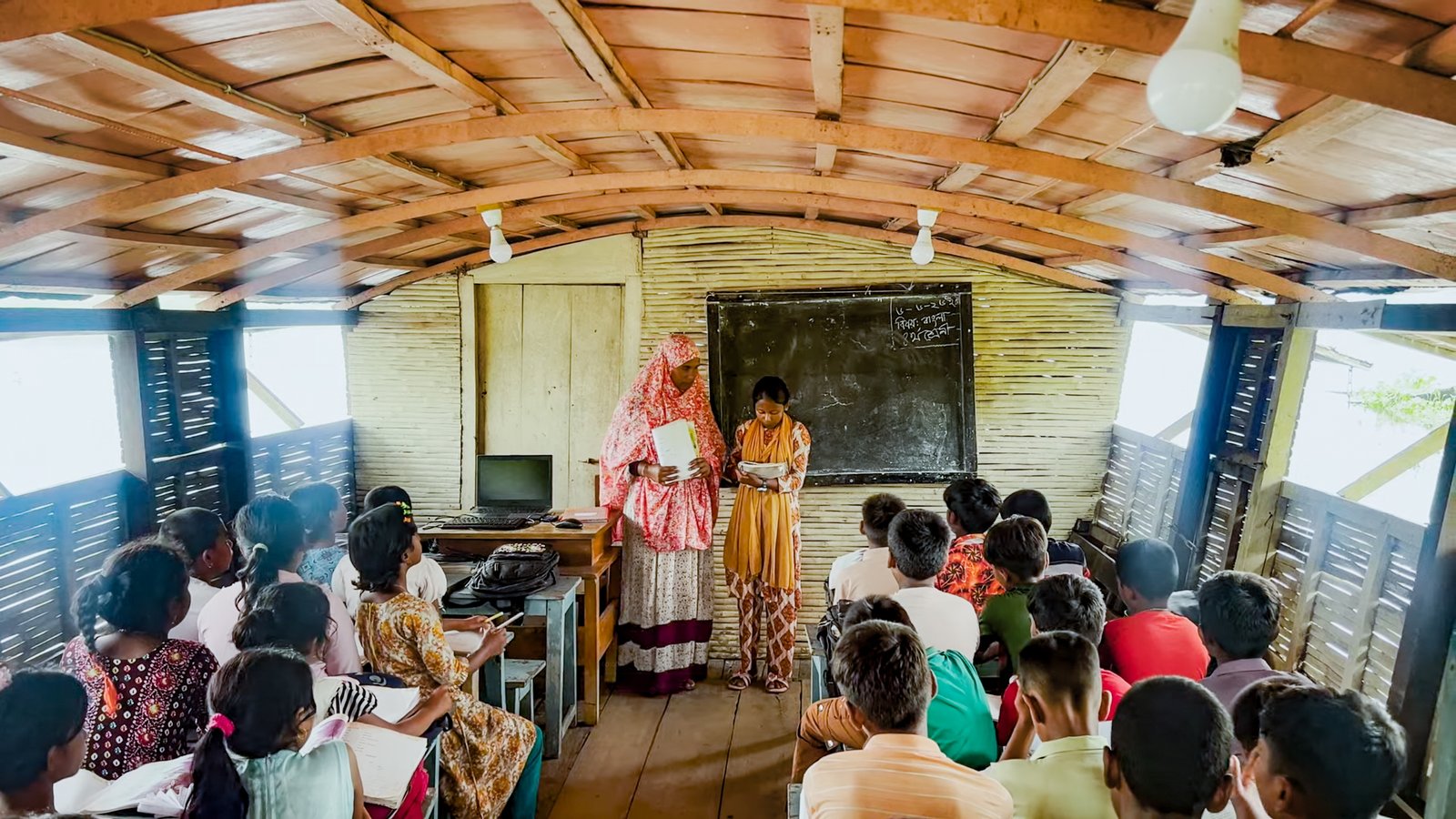
Dhaka, Bangladesh – Once hailed as an innovative solution to climate‑induced flooding, the floating schools that dotted the flood‑prone riverbanks of Bangladesh have largely vanished from the national landscape.
Launched in 2015 under a joint initiative by the Ministry of Education, UNICEF, and local NGOs, the “Boi‑Boi” floating classrooms were designed to keep children in school during monsoon seasons when traditional structures were submerged. At their peak, more than 200 such schools operated across the Sylhet and Barisal divisions, serving over 15,000 students.
However, a recent field survey conducted by the Center for Climate‑Resilient Education (CCRE) found that only 27 of the original units remain functional, with many abandoned or repurposed as fishing platforms.
The decline is attributed to several factors:
1. **Maintenance Costs** – The wooden hulls required regular repairs, and funding for these upkeep activities dwindled after the initial donor grants expired.
2. **Policy Shifts** – The government’s 2022 “National Flood‑Resilient Infrastructure” program prioritized permanent elevated school buildings over temporary floating structures.
3. **Community Preferences** – Parents expressed concerns about safety and the lack of proper sanitation on the floating units, opting instead for newly built raised classrooms.
Despite the setbacks, a handful of NGOs are experimenting with modern, solar‑powered floating modules made from recycled plastic composites. These prototypes aim to be more durable and environmentally friendly.
“The concept was never a failure; it highlighted the need for adaptable education models in climate‑vulnerable regions,” said Dr. Amina Rahman, CCRE director. “We are now focusing on hybrid solutions that combine elevated permanent structures with mobile learning kits for the most extreme flood events.”
The government has announced a modest budget allocation for a pilot program to retrofit three existing floating schools with solar panels and improved sanitation facilities, slated to launch early next year.