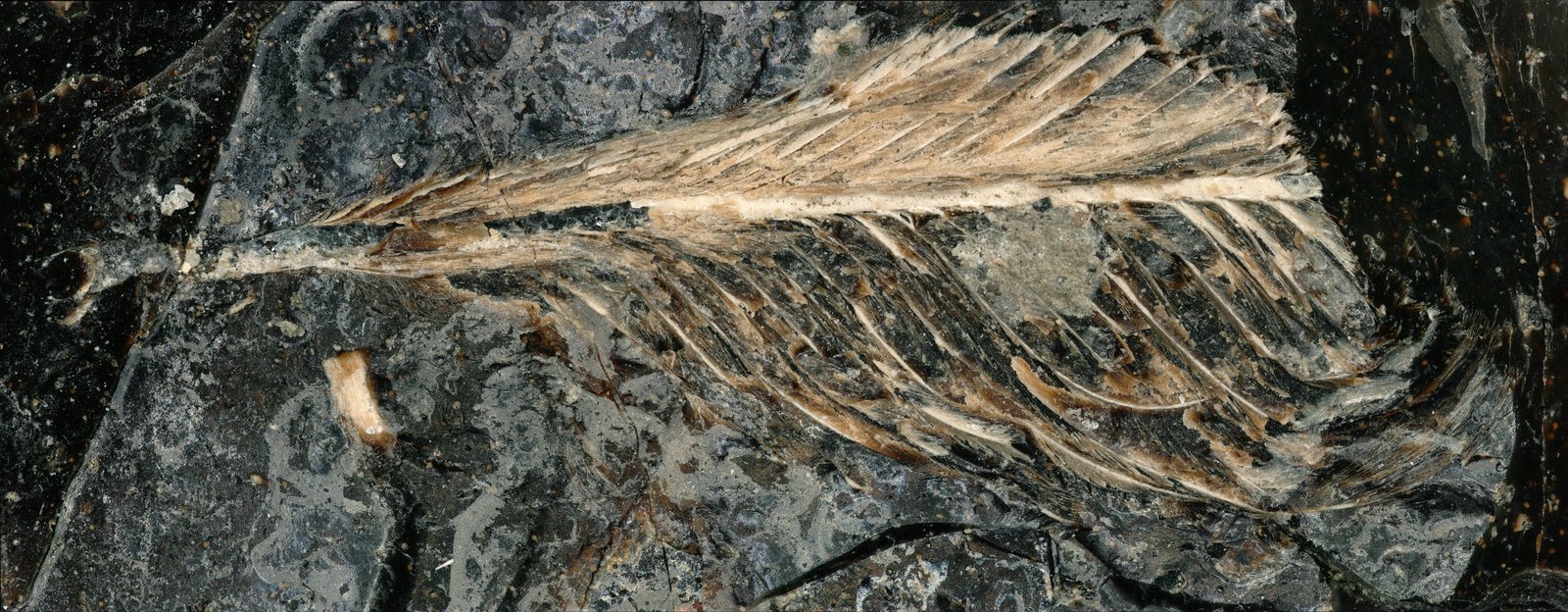
A team of paleontologists from the University of Nairobi, in collaboration with the Natural History Museum in London, has announced the discovery of an exceptionally preserved feather fossil dating back 150 million years to the Late Jurassic period. The feather, embedded in a limestone slab from the Tendaguru Formation in Tanzania, exhibits a unique micro‑structure that suggests it belonged to a small theropod dinosaur closely related to early avian ancestors. Researchers propose that the feather’s aerodynamic design and specialized keratin composition could have given its bearer superior flight capabilities and thermoregulation, traits that may have been crucial for survival during the Cretaceous‑Paleogene extinction event. The finding offers new insight into why only a handful of dinosaur lineages gave rise to modern birds, highlighting the role of feather evolution in resilience to catastrophic climate shifts.

On top of everything as it happens