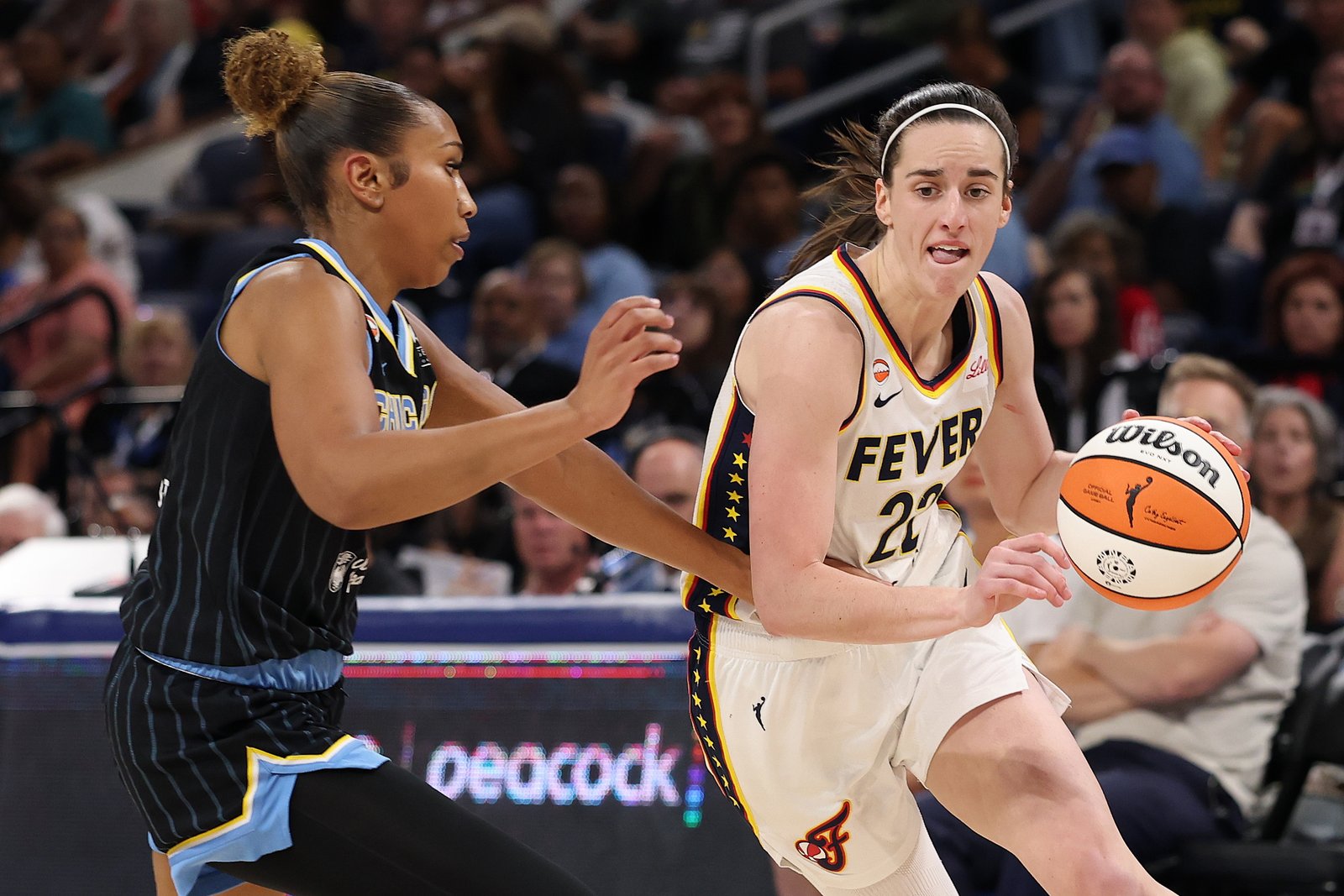
Since its inception in 1996, the Women’s National Basketball Association (WNBA) has evolved from a fledgling sports league into a flashpoint in America’s cultural battles. Over the past two years, the league’s outspoken players have used their platform to advocate for voting rights, LGBTQ+ protections, and racial justice, prompting both praise and backlash. Conservative commentators have labeled the WNBA a “political weapon,” citing high‑visibility protests such as players kneeling during the national anthem and wearing jerseys emblazoned with social‑justice slogans. Meanwhile, progressive groups celebrate the league as a model of athlete activism, pointing to its partnership with voter‑registration drives that have reportedly increased turnout in key swing states. The tension reached a climax when a major corporate sponsor announced it would pull funding unless the league agreed to limit political messaging. The WNBA’s leadership responded by reaffirming its commitment to “the freedom of expression,” sparking a broader debate about the role of sports in political discourse and the future of corporate sponsorship in an increasingly polarized environment.

On top of everything as it happens